

This is general information, not legal advice. If anyone is injured or you feel unsafe, call emergency services.
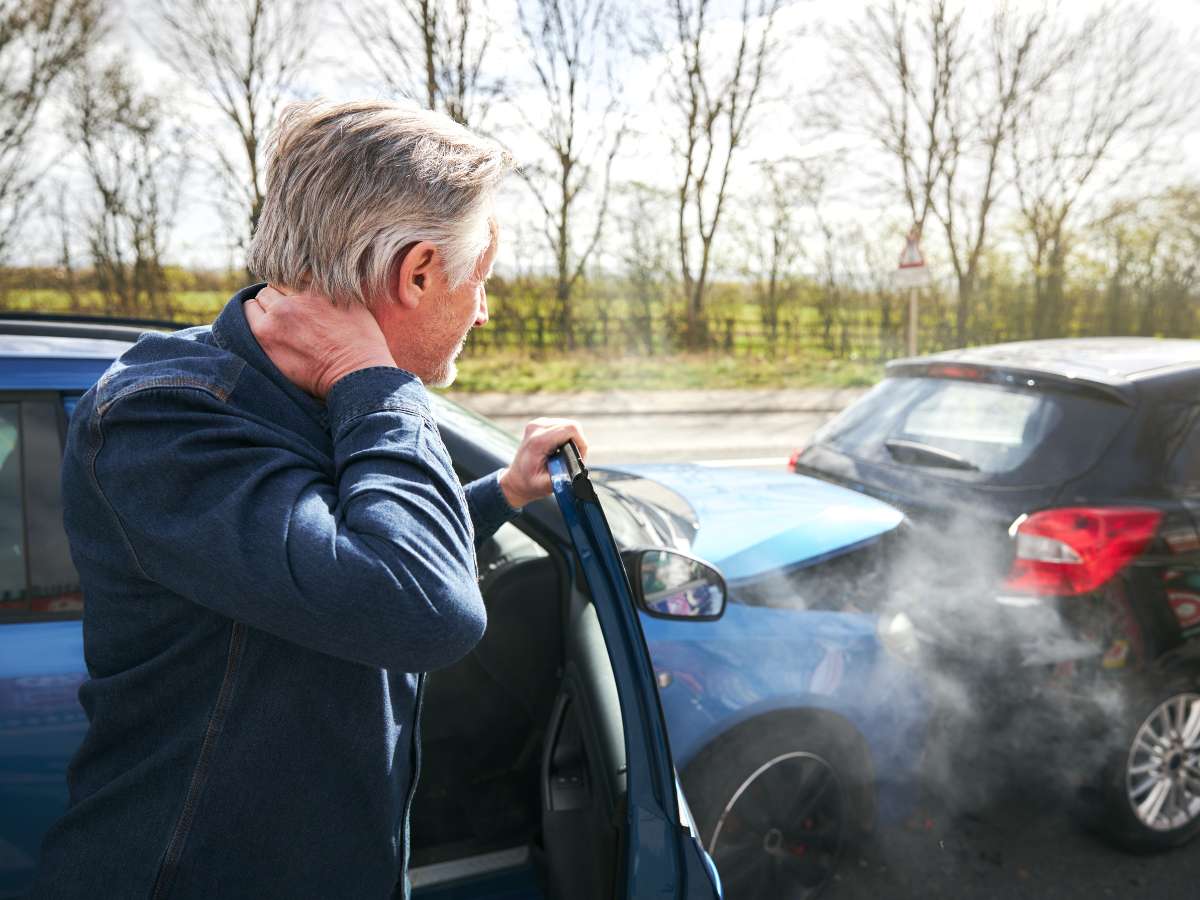
1. Stop, make the scene safe, and check for injuries
If anyone is injured, call emergency services. If you are trained and it is safe, provide basic assistance until help arrives.
Failing to stop, assist, or provide details after a crash is a serious offence in Victoria and can result in penalties, licence suspension, or imprisonment.

2. Exchange the details you are required to provide in Victoria
Your name and address
The vehicle registration number
The vehicle owner’s name (if different from the driver)
If police attend, provide the same details to them. It is also helpful to exchange insurance details if possible.
Avoid negotiating fault at the roadside. Keep the discussion factual and focused on safety and details.
3. Know when you must report the crash to police
Anyone is injured and police are not present
There is property damage and the owner or police are not present
The other party refuses to provide their details or leaves the scene
Failing to report when required is an offence under Victorian law and can result in fines or other penalties. Even when a formal police report is not made at the scene, you may still need to visit a station, particularly if required by your insurer.

4. Take photos that answer the questions insurers and repairers ask
The position of vehicles before they are moved (if possible and safe)
Damage to all vehicles from multiple angles
Number plates
The broader scene including lane markings, signage, intersections and traffic lights
Any relevant road conditions such as rain, glare, debris or parked cars
Tow truck details if a tow occurs
If there are witnesses, ask for a name and contact number. Do not pressure anyone. A short note is enough.
5. Be cautious with towing decisions at the scene
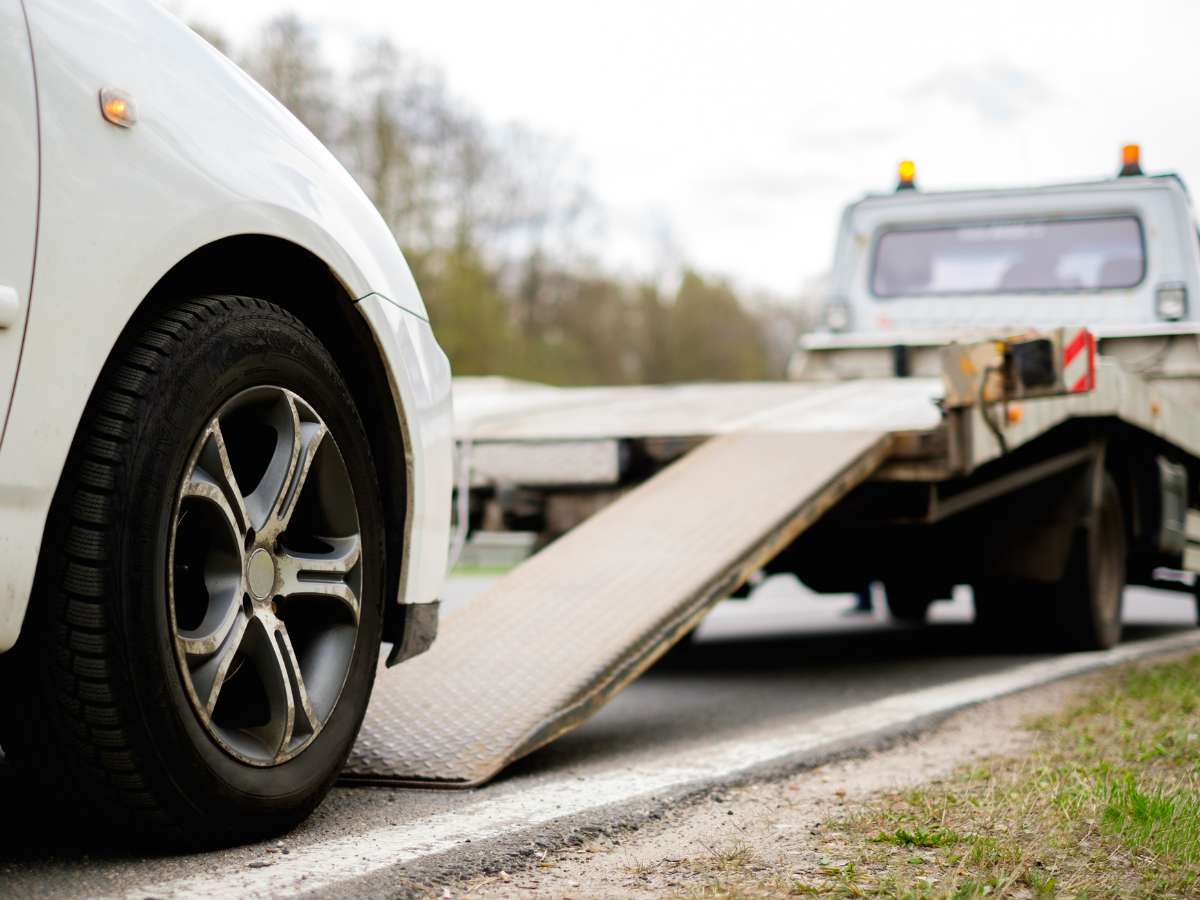
In Victoria, only licensed accident tow truck operators are authorised to tow vehicles from crash scenes. They must provide specific documentation before you sign anything, including a towing information leaflet and an "authority to tow" that sets out the agreement. You also have the right to have your vehicle towed to a destination of your choice.
Two practical rules that protect you:
Do not sign documents you have not read
Do not feel rushed into choosing a repairer at the roadside
If your vehicle can be driven safely, you may not need a tow at all. If it cannot, you can still take a moment to decide where the car should go.
6. Notify your insurer, but keep your options clear
Time and location
Who was involved
Photos
Witness details
Whether police attended or you reported it
If an insurer suggests a particular repair pathway, ask what your policy requires and what choices you have. Some policies use preferred repair networks, and some include a choice of repairer option. The key is to understand what is in your policy before agreeing to anything that limits your options.
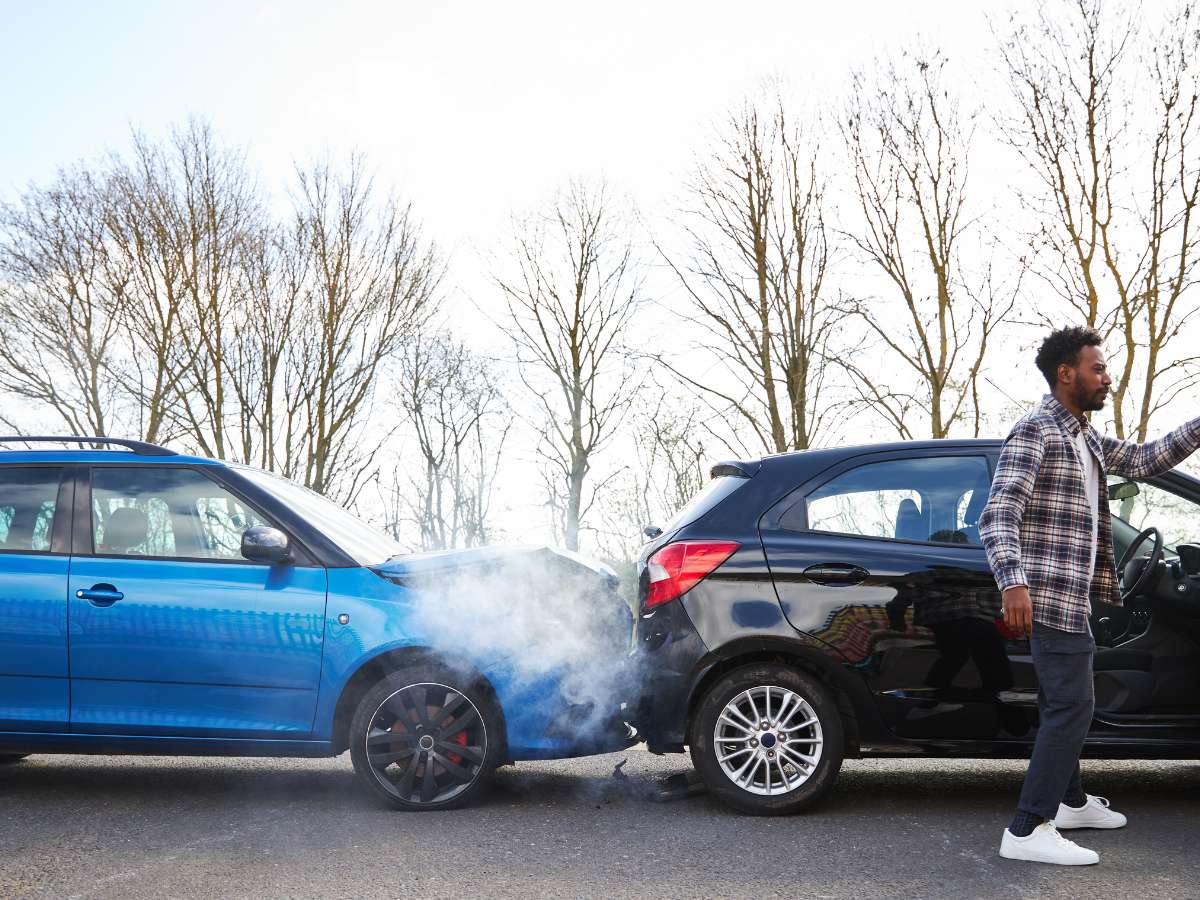
7. If you are not at fault, treat it as a process, not a conversation
What helps most:
Accurate details exchanged
Clear photos
Timely reporting where required
Consistent notes of what happened
If the other party is aggressive, refuses details or leaves the scene, do not follow them. Prioritise safety and contact police.
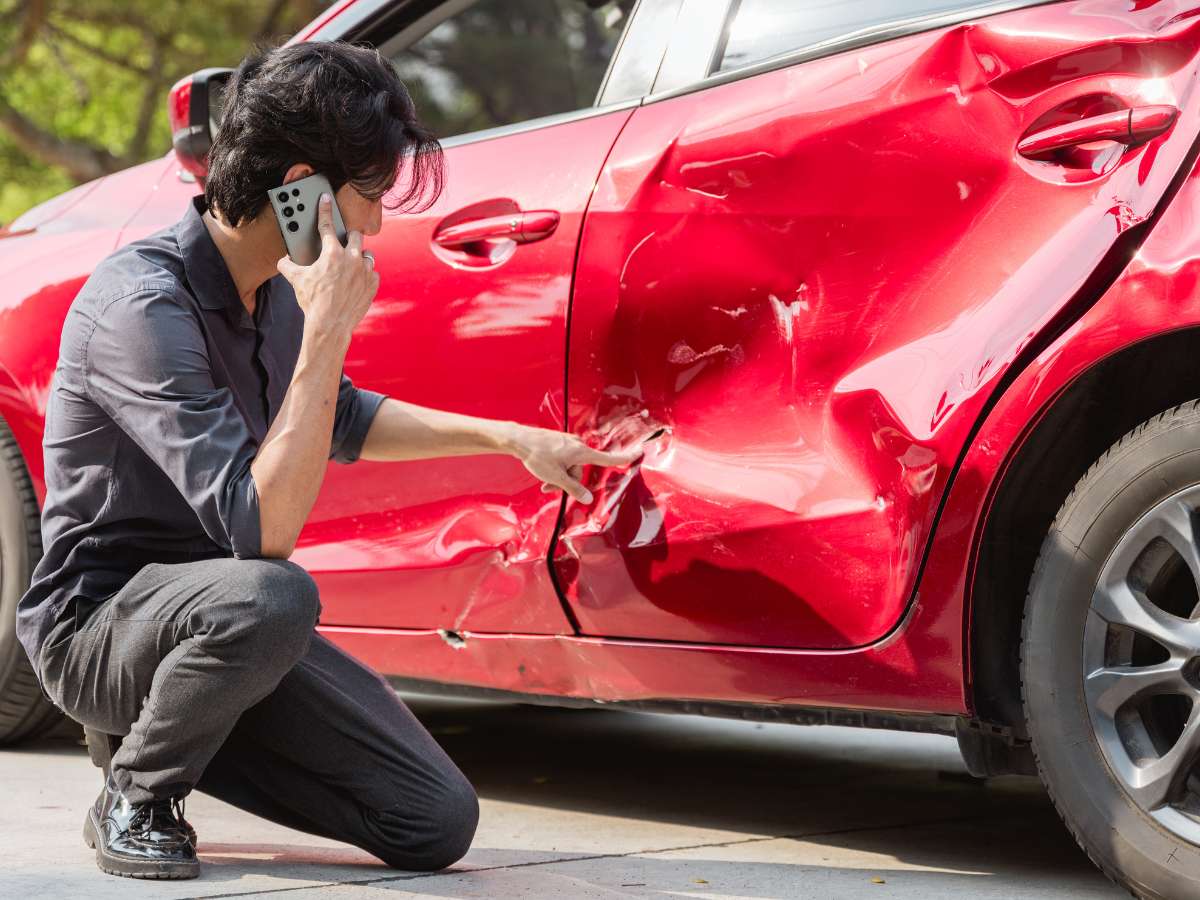
8. When you book repairs, ask for a scope that matches the impact
A quality repair process usually involves:
Assessing damage beyond the visible panels
Confirming that safety systems and drivability are not compromised
Documenting the repair work clearly for insurance and future resale questions
9. Keep a simple record for the next two weeks
Insurer claim reference numbers
Who you spoke with and when
Tow documentation
Repair estimates and approvals
Dates the vehicle was unavailable
This is not about preparing for conflict. It is about keeping the process clear.
10. A calm checklist to keep in your glovebox
Stop, hazards on, move to safety if possible
Check injuries, call emergency services if needed
Exchange: name, address, rego, owner name
Take photos of vehicles, plates, scene and signage
Report to police if required (injury without police attendance, or property damage where owner or police not present)
If towing: read the paperwork, choose destination, do not commit to repairs at the scene
Notify insurer, keep notes, keep options clear for repairs

Further Reading
• Crash Responsibilities (VicRoads / Department of Transport) – Official guidance on what to do after a crash, including stopping, giving details and reporting requirements. Crash responsibilities – Victorian Government transport page
• Getting Your Car Towed After an Accident (Consumer Affairs Victoria) – Consumer guidance on towing contracts, choosing a destination, not signing contracts at the scene, and storage rights. Getting your car towed – Consumer Affairs Victoria
• Accident Towing Rights (VicRoads Fact Sheet) – Outlines rights around towing after a crash, Authority to Tow form, choosing where your vehicle is towed, and prohibitions on repair touting at the scene. Towing from an accident scene – VicRoads fact sheet
• Traffic Accident Reports (Victoria Police) – Information on how to report an accident, including when police normally make a report and how to obtain an official collision report. Traffic accident reports – Victoria Police
• Driving and Accidents (Victoria Legal Aid) – Legal explanation of crash responsibilities, reporting requirements, insurance claims, and consequences for leaving the scene. Driving and accidents – Victoria Legal Aid
• Transport Accident Commission (TAC) – Official statutory insurer for personal injuries from road accidents in Victoria. Transport Accident Commission (TAC) official site
• Accident Towing Services Act (Historical Reference) – Legal context for how accident towing is regulated in Victoria (relevant for understanding licensing, although current practice is outlined in the VicRoads fact sheet). Accident Towing Services Act overview (Wikipedia)