

After a crash, one of the first questions drivers ask is whether being not at fault changes what happens next.
In Victoria, it does make a difference, but not always in the way people expect. Understanding what you are generally entitled to, and where limits apply, helps you avoid rushed decisions at a stressful time.
This article provides general information for Victorian drivers. It is not legal advice, and outcomes can vary depending on circumstances and insurance arrangements.
This article provides general information for Victorian drivers. It is not legal advice, and outcomes can vary depending on circumstances and insurance arrangements.
What “not at fault” means in Victoria
Being not at fault usually means another driver caused the collision. Fault is not decided at the roadside. It is assessed later using statements, evidence, and insurer processes. Police involvement may help establish facts, but police do not determine civil liability.
In some cases, fault may be shared between drivers, and costs can be apportioned depending on the circumstances.
In practice, not at fault status affects who ultimately pays for repairs and associated costs, rather than removing the need to follow normal claim and repair processes.
In some cases, fault may be shared between drivers, and costs can be apportioned depending on the circumstances.
In practice, not at fault status affects who ultimately pays for repairs and associated costs, rather than removing the need to follow normal claim and repair processes.

What being not at fault does and does not change
To clarify where not at fault status matters, and where it does not, the table below summarises common expectations.
| Aspect | What being not at fault usually affects | What it does not automatically change |
|---|---|---|
| Repair costs | Responsibility for payment may sit with the at fault party or their insurer | The need for assessment, estimates, or approval |
| Repair process | May allow alternative repair pathways in some cases | The requirement to follow insurer or recovery procedures |
| Choice of repairer | Can be available depending on policy or claim pathway | A guaranteed right in all situations |
| Hire car access | Sometimes available or recoverable | Automatic entitlement without approval |
| Timing | Can reduce disputes once liability is accepted | How quickly repairs can start |
This distinction is where many misunderstandings arise.
Repairs are still a process, not an instant outcome
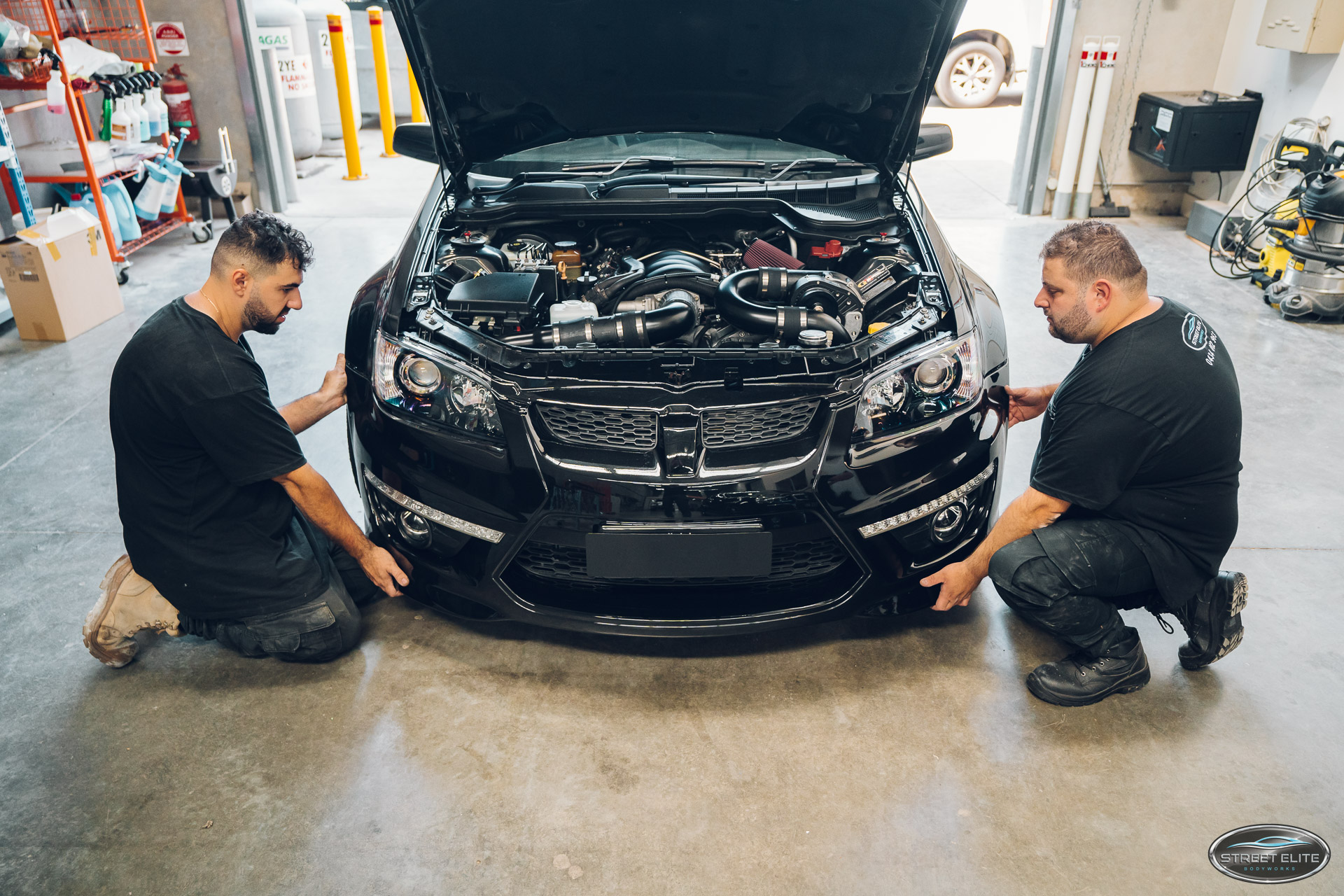
Even when you are not at fault, repairs do not automatically proceed without checks or approvals. Vehicles still need to be assessed, repair scopes prepared, and liability accepted by an insurer before work begins in many cases.
Being not at fault does not mean you can skip documentation, estimates, or insurer communication. It means those steps are handled differently in terms of who ultimately bears the cost.
Being not at fault does not mean you can skip documentation, estimates, or insurer communication. It means those steps are handled differently in terms of who ultimately bears the cost.
Choice of repairer and policy conditions
Many Victorian drivers assume they can always choose any repairer when they are not at fault. In reality, choice of repairer depends on policy terms and the repair pathway being used.
Some comprehensive policies include a choice of repairer option. Others rely on insurer managed networks. If repairs are being arranged through the at fault party’s insurer or through a recovery process, different rules may apply, and costs may still need to be shown to be reasonable.
Understanding which pathway you are on before agreeing to anything that limits your options can prevent later disputes.
Some comprehensive policies include a choice of repairer option. Others rely on insurer managed networks. If repairs are being arranged through the at fault party’s insurer or through a recovery process, different rules may apply, and costs may still need to be shown to be reasonable.
Understanding which pathway you are on before agreeing to anything that limits your options can prevent later disputes.
Hire cars and related costs
Hire cars are commonly discussed in not at fault situations. In some circumstances, a replacement vehicle may be provided or costs recovered. In others, limits apply or approval is required in advance.
Recovery usually depends on what is reasonable in the circumstances, including the type of vehicle and length of hire. Problems often arise where assumptions are made. Taking a hire car without clarity on approval or recovery can leave drivers exposed to unexpected charges, particularly where credit hire arrangements are involved. The safer approach is to confirm arrangements in writing before proceeding.
Recovery usually depends on what is reasonable in the circumstances, including the type of vehicle and length of hire. Problems often arise where assumptions are made. Taking a hire car without clarity on approval or recovery can leave drivers exposed to unexpected charges, particularly where credit hire arrangements are involved. The safer approach is to confirm arrangements in writing before proceeding.
Towing and early decisions
Towing often occurs before fault is established. In Victoria, tow operators must provide specific documentation before you sign an authority to tow, and you generally have the right to choose where your vehicle is taken, subject to distance limits and payment conditions.
Being not at fault does not require you to commit to a repairer at the scene. Decisions made under pressure can affect later options, regardless of who caused the crash.
Being not at fault does not require you to commit to a repairer at the scene. Decisions made under pressure can affect later options, regardless of who caused the crash.
Documentation that matters later
Not at fault claims rely on evidence. Clear documentation helps protect your position:
These records support insurers and repairers in resolving liability and approving repairs.
Repairs should address safety, not only appearance
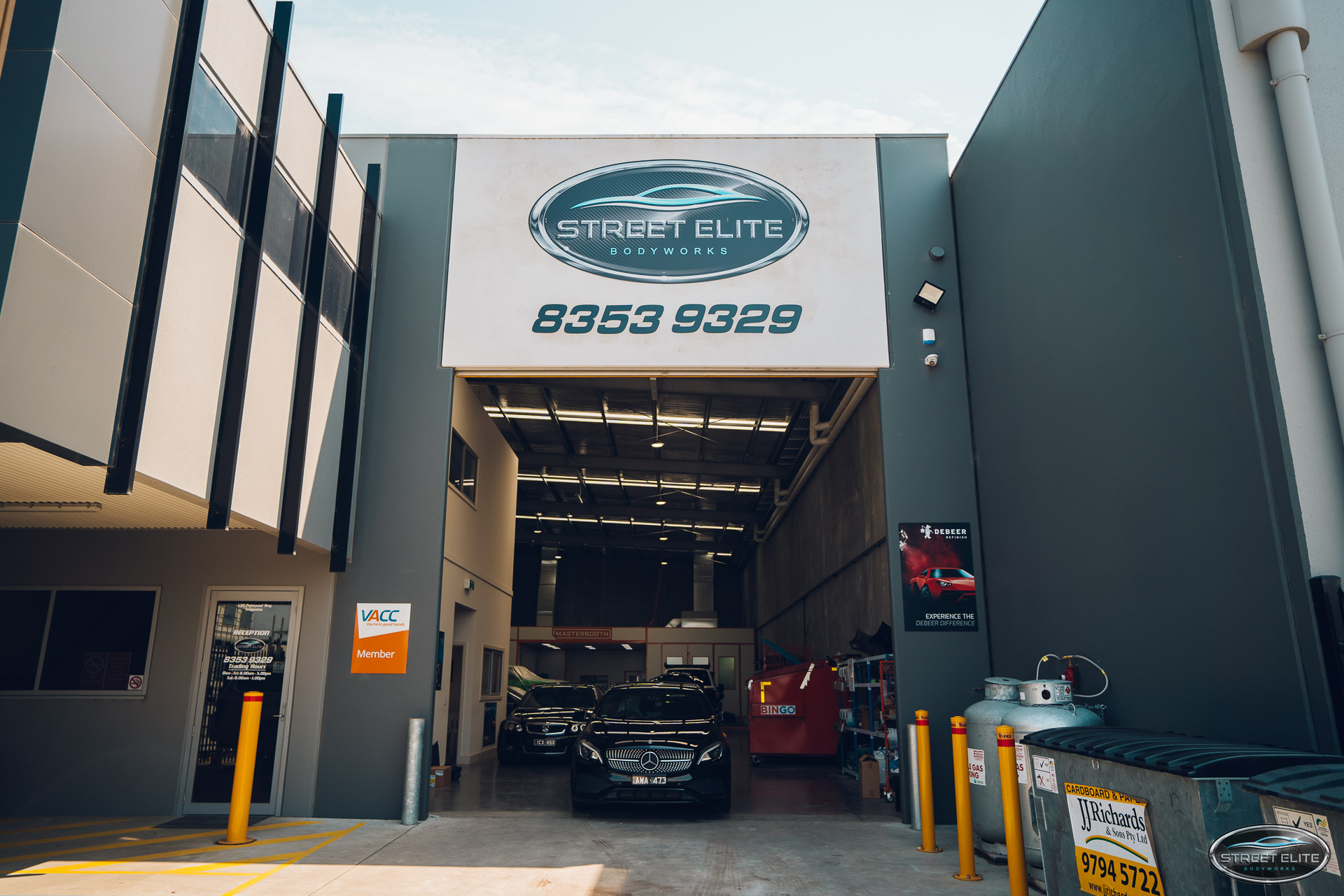
Collision damage is not always limited to panels and paint. Suspension components, wheels, steering, and braking systems can be affected even in lower speed impacts.
For this reason, post accident repair decisions should consider mechanical checks as well as cosmetic repairs. Ensuring the vehicle is safe to return to the road is part of proper restoration, regardless of fault.
For this reason, post accident repair decisions should consider mechanical checks as well as cosmetic repairs. Ensuring the vehicle is safe to return to the road is part of proper restoration, regardless of fault.
Common misconceptions to avoid
Several assumptions regularly cause issues for Victorian drivers:
Understanding that not at fault status changes responsibility, not process, helps set realistic expectations.
Taking a measured approach
After an accident, pressure often comes from multiple directions. Insurers, tow operators, and repair pathways all move quickly. Slowing the process just enough to understand your position usually leads to better outcomes.
Being not at fault can provide important protections, but those protections work best when paired with clear information, documented decisions, and an understanding of how Victorian repair and recovery processes operate.