

This guide covers how to assess the damage, what repair options are available, and how to handle the insurance side of things.
Check the damage before you do anything else
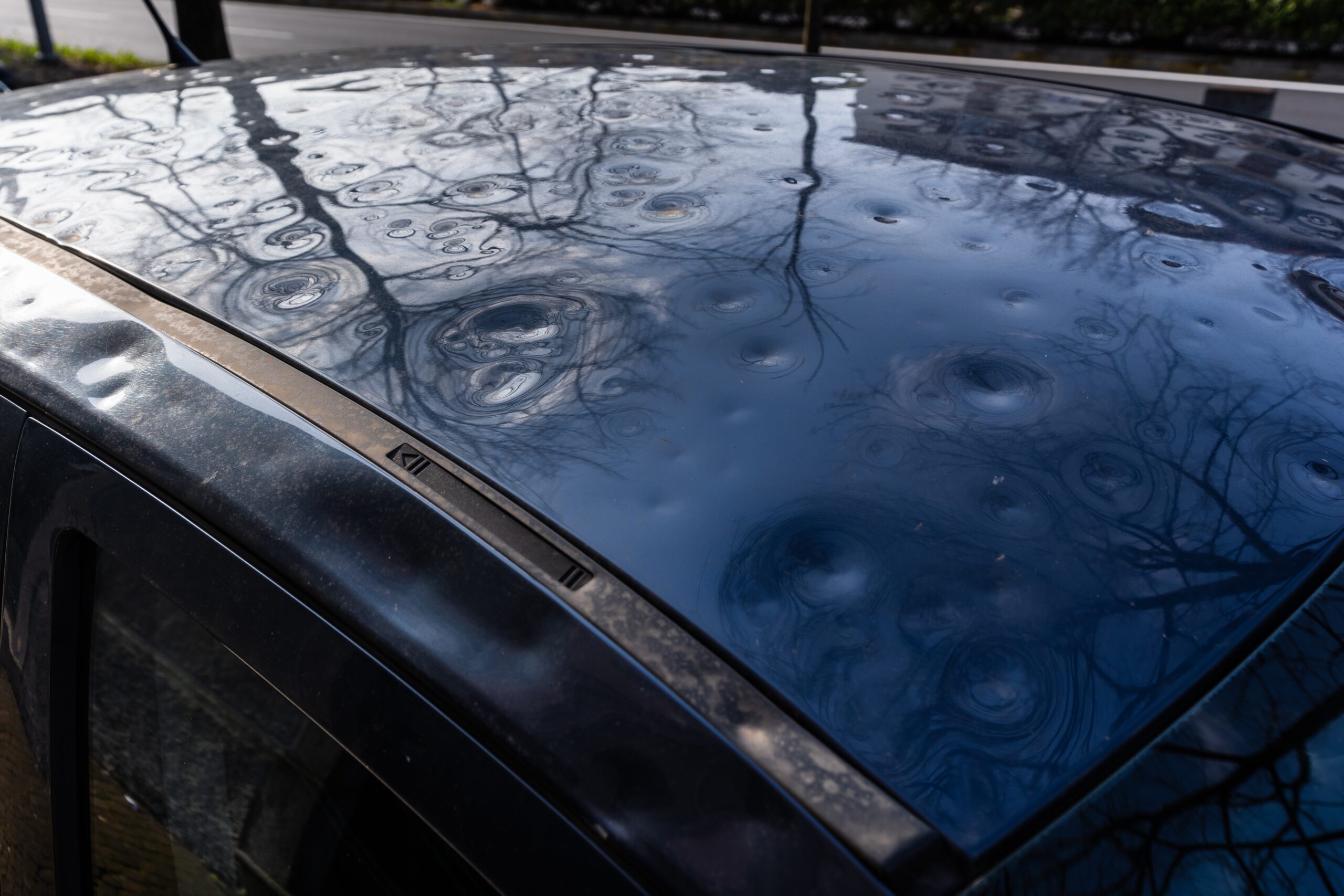
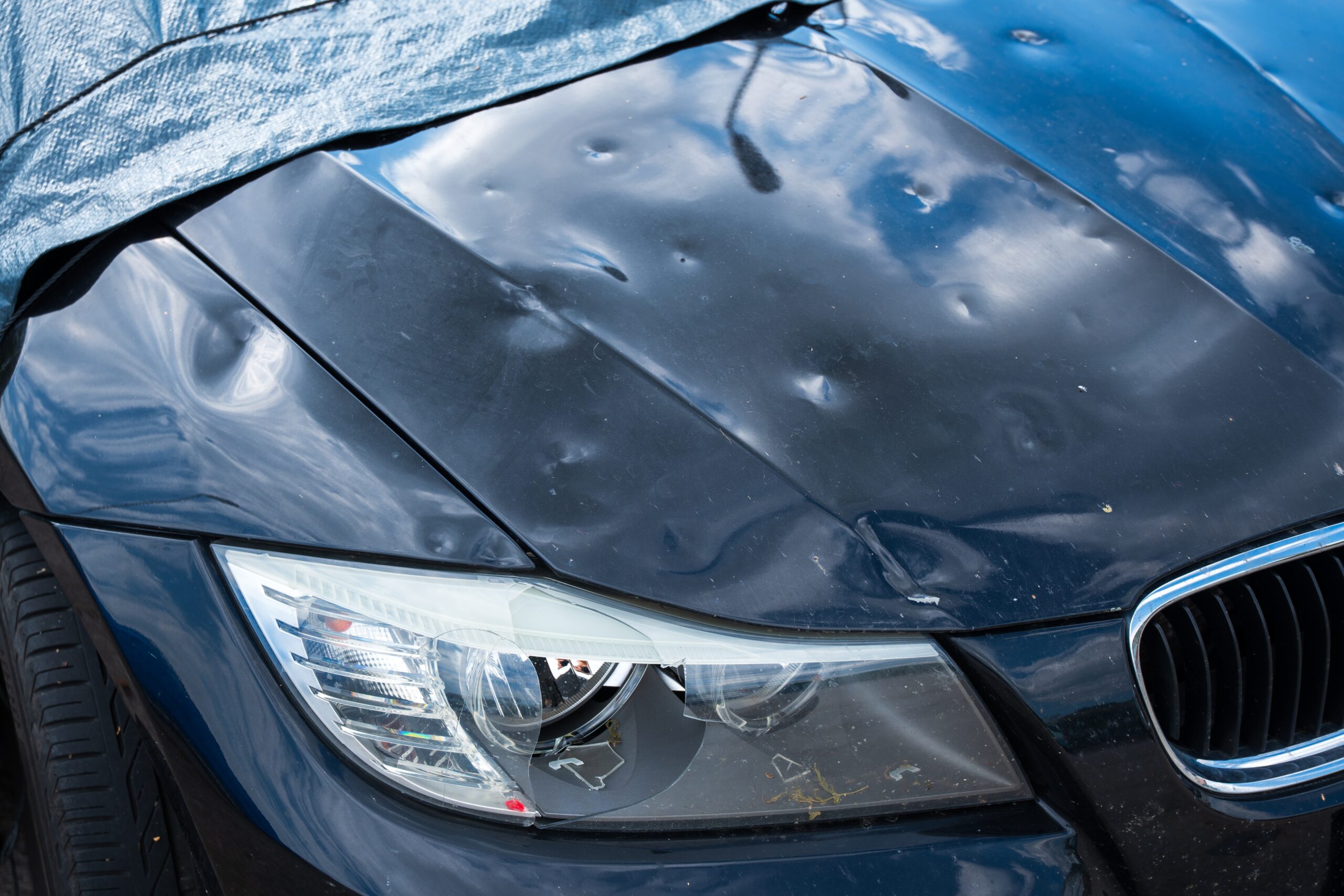
Check every panel, not just the obvious ones. The roof and bonnet cop the worst of it, but doors, guards, and boot lids can all be affected. Look closely for cracked or chipped paint around the edges of each dent. This matters when it comes to which repair method will work.
Take photos of every damaged panel from multiple angles. If you’re claiming on insurance, you’ll need these. Even if you’re not sure whether you’ll claim, having a record from the day of the storm makes everything easier later.
How hail damage gets repaired
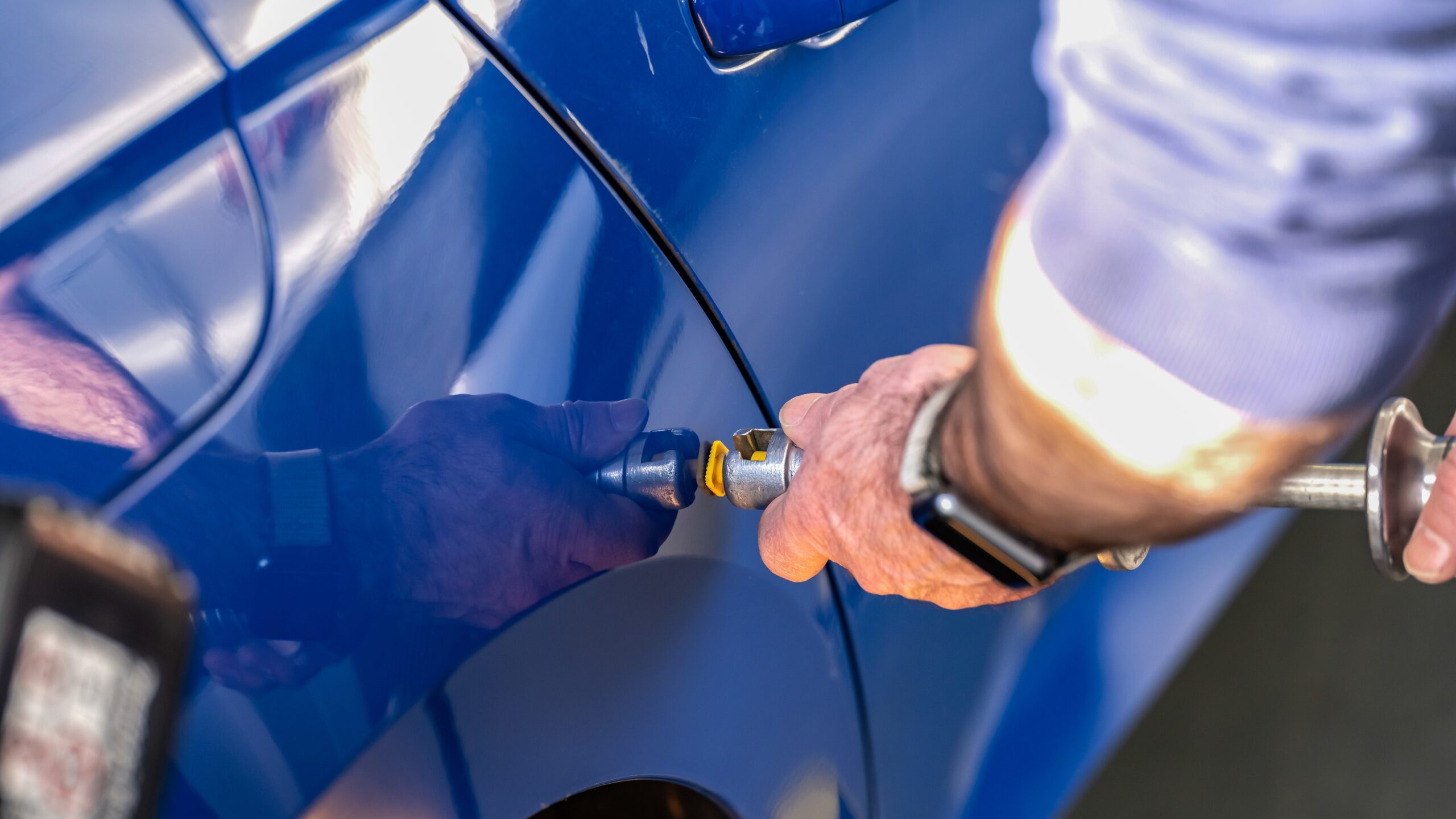
- Paintless dent removal (PDR)is the most common repair for hail damage. A technician uses specialised tools to push the metal back into shape from behind the panel. No filler, no sanding, no repainting. It works best when the dents are shallow to medium-sized and the paint hasn’t cracked. Because it keeps your car’s original finish, PDR is faster, cheaper, and better for resale value. For light hail across a few panels, expect to pay somewhere between $500 and $1,500. Heavier damage across more panels costs more, but PDR is still significantly cheaper than conventional repair.
- Conventional panel repair comes in when the paint has cracked, the dents have sharp creases, or the damage sits on a panel edge where PDR tools can’t reach. This involves filling, sanding, and repainting the affected panels. It takes longer, costs more (typically $1,000 to $5,000 depending on how many panels are involved), and the repainted panels need careful colour matching to blend with the rest of the car.
- Full panel replacement is reserved for severe damage where repairing the existing panel isn’t practical. If hailstones have dented a panel so badly that the metal is stretched or torn, replacement is the better option. This is less common, but it happens after particularly violent storms. Costs can reach $5,000 to $10,000 or more depending on the panels involved and the vehicle.
In some cases, a car will need a combination of all three. PDR on the lightly damaged panels, conventional repair where the paint is compromised, and replacement for the worst-hit areas.
Repair methods at a glance
| PDR | Conventional repair | Panel replacement | |
|---|---|---|---|
Best for | Shallow to medium dents with intact paint | Cracked paint, sharp creases, or panel edges | Severely stretched or torn panels |
What’s involved | Metal pushed back from behind the panel using specialised tools | Filling, sanding, and repainting the affected panels | Damaged panel removed and replaced with a new one |
Original paint kept? | Yes | No – repainted panels need colour matching | No – new panel is painted to match |
Typical cost (multi-panel hail) | $500 – $1,500 | $1,000 – $5,000 | $5,000 – $10,000+ |
Turnaround | Days | 1 – 2 weeks | 2+ weeks |
Resale impact | Minimal – no respray on record | Moderate – repainted panels may show on inspection | Higher – replaced panels are detectable |
Dealing with insurance
Most comprehensive car insurance policies cover hail damage. If yours does, the process is straightforward: lodge a claim, get an assessment, and choose your repairer.
That last point matters more than most people realise. Many policies in Australia allow you to choose your own panel beater rather than accepting the insurer’s preferred repairer. Check the choice of repairer section in your Product Disclosure Statement (PDS). It’s usually listed in the table of contents. If your policy includes this option, you can bring your car to a repairer you trust rather than one chosen by the insurance company.
One thing to be aware of: after a major hailstorm, every panel beater and PDR technician in the affected area gets flooded with work. Wait times can blow out from days to weeks, sometimes months. Getting your car assessed and into a workshop early makes a real difference. In Melbourne’s west, newer estates across Truganina, Tarneit, and Wyndham Vale often have limited covered parking, which means more cars tend to be exposed during storms and more owners are competing for repair spots once the damage is done.
It’s also worth thinking about whether claiming is the right call. If your excess is $700 and the repair would cost $800, you’re only saving $100 and you’ll have a claim on your record that can push your premiums up at renewal. For minor hail damage, getting a quote first and comparing it against your excess often makes more financial sense than claiming automatically.
If the damage is severe enough that repair costs exceed your car’s market value, the insurer may write it off. This is more common with older vehicles after heavy storms. You’ll receive a payout based on your car’s agreed or market value, minus the excess.
Can you reduce the risk?
Covered parking is the best protection. A garage, carport, or even a covered commercial car park will stop most hail damage entirely. If you know storms are forecast, moving your car under cover is the simplest thing you can do.
Hail covers, which are padded fabric covers designed to absorb impact, are another option if you don’t have permanent covered parking. They won’t stop everything in a severe storm, but they’ll reduce the damage.
Beyond that, keeping an eye on Bureau of Meteorology warnings during storm season gives you time to act. Melbourne’s hail season runs roughly from October through to March, with the worst storms typically hitting in late spring and early summer.
Sometimes, though, you just can’t avoid it. Storms hit without warning, and no amount of preparation stops every dent.
If your car has hail damage, get it assessed early
Bring your car in for a free assessment and we’ll tell you which repair method suits the damage. If you’re going through insurance, we handle the claim process with your insurer and can talk you through your choice of repairer options.