

You swapped names and phone numbers in a car park, drove home, and nobody mentioned police. Now it is nine at night and you are wondering whether you should have gone to a station.
In Victoria a crash has to be reported to police in a small number of set situations. Where nobody was hurt, everyone stopped, and names and addresses were exchanged, there is usually nothing to report.
Reporting a crash to police and lodging an insurance claim are two different things, done with two different organisations. Doing one does not do the other.
This article is about the report. If the crash was in the last hour, start with what to do after a car accident in Melbourne and come back to this.
When do you have to report a crash to police in Victoria?
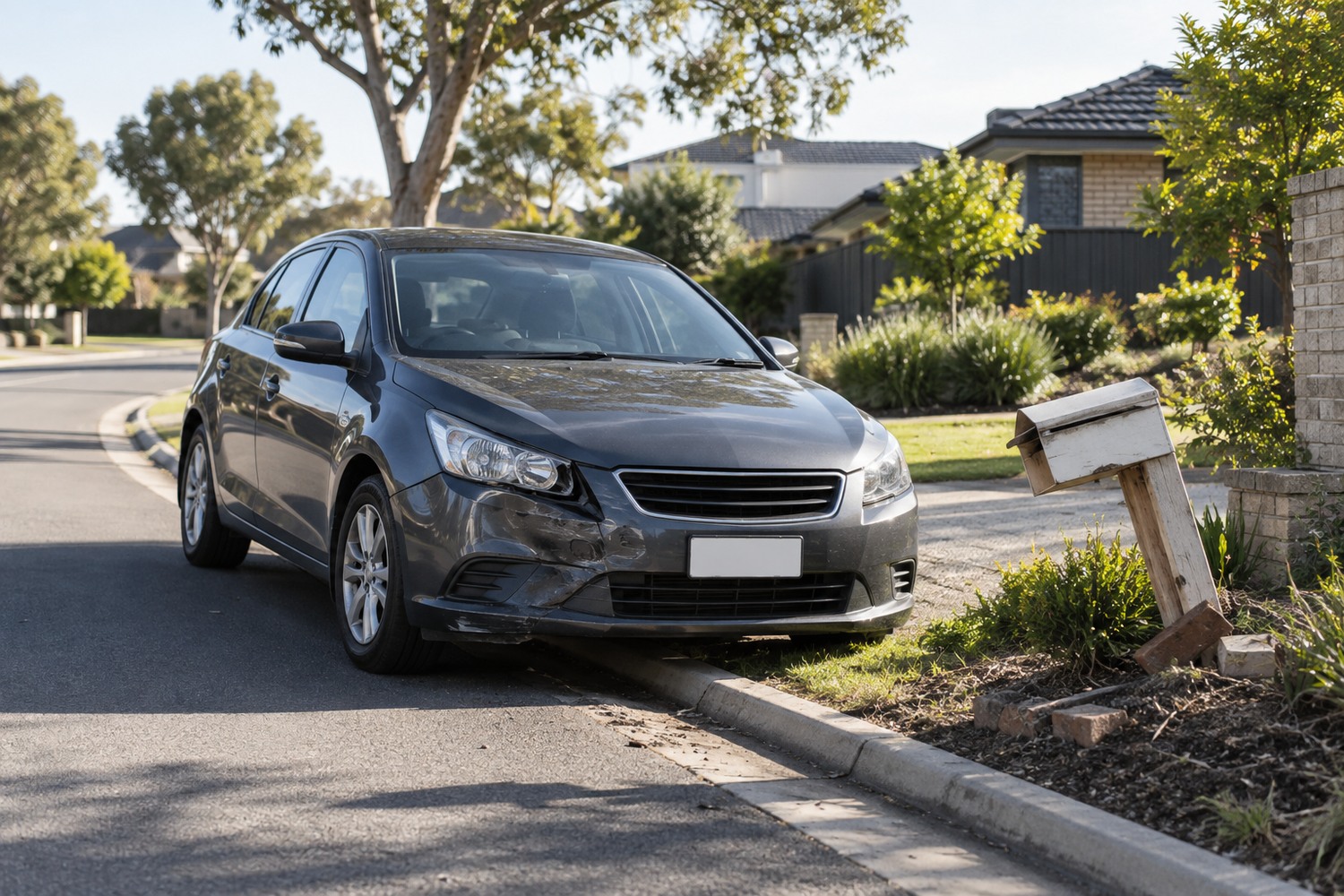
The duty sits in section 61 of the Road Safety Act 1986. It applies where an accident happens because a motor vehicle was there, and a person is injured or property is damaged or destroyed.
What the Act asks at the scene is the same every time. Stop immediately. Give whatever help you can. Hand over your name and address, the owner’s name and address, and the vehicle’s identifying number, to anyone injured or to the property’s owner. A police officer at the scene gets the same details.
Going to a police station is the fallback. It applies in these situations.
- Somebody was injured and no police officer was at the scene. The driver has to report full particulars of the accident in person, as soon as possible, at the police station most accessible from the crash. If that station is closed, it is the next most accessible one.
- Property was damaged and nobody was there to take your details. That means no owner, nobody representing them, and no police officer. A letterbox on an empty street is the plain example. The Act counts an animal as property, so a dog or a kangaroo is the same situation.
- The other driver left before you got their details. That is the situation above in practice, because the owner of the damaged car is no longer there to take your details.
On timing, the Act says as soon as possible and puts no hours or days on it. What it does set is the place: in person, at the most accessible station. So there is no clock to beat, and no reason to leave it either.
When you don’t have to report it
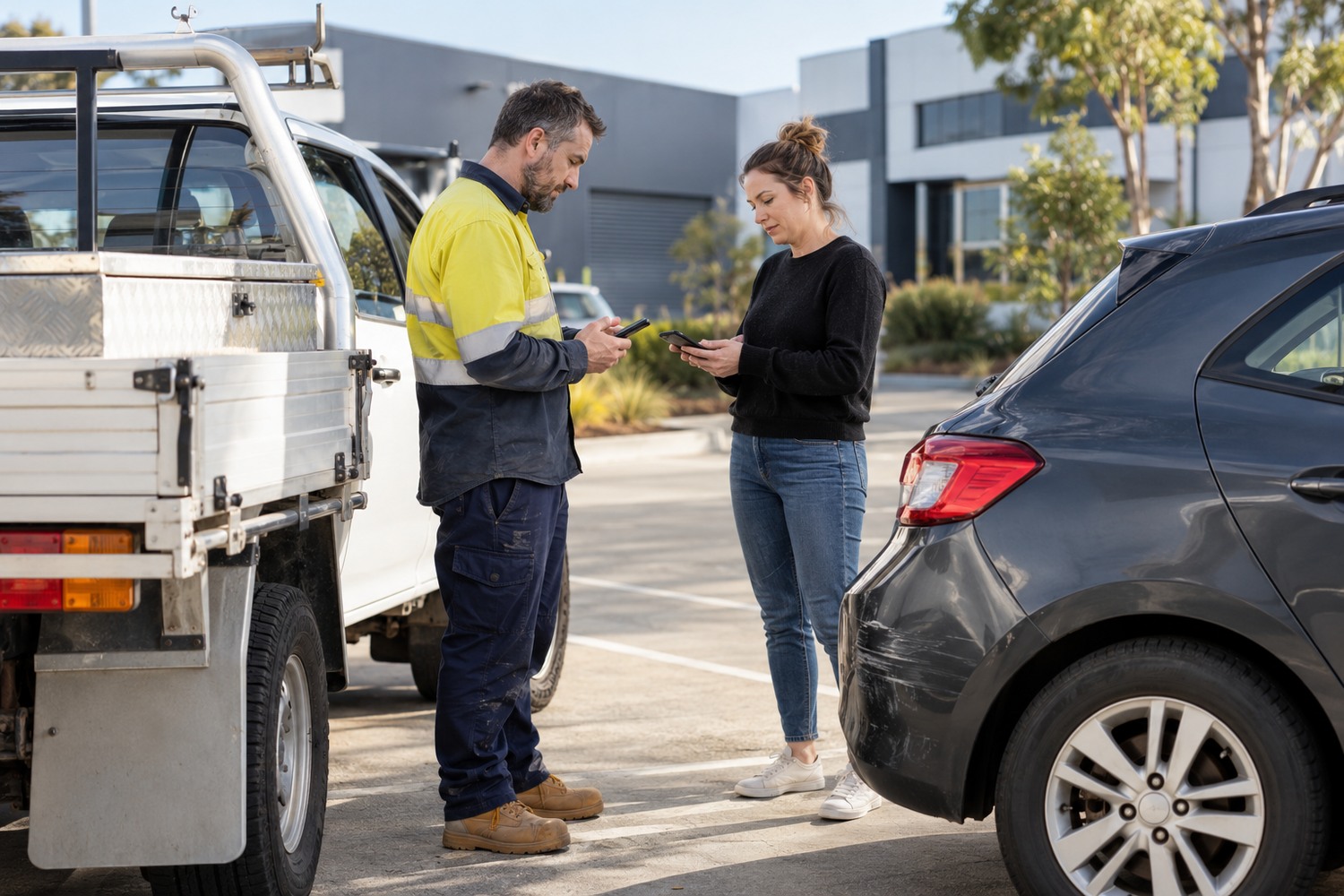
In the ordinary knock, no report is needed. Nobody hurt, both drivers stopped, names and addresses swapped, both cars driveable: there is nothing you have to report.
Victoria Police puts it the same way. Where no one was injured and all involved parties have exchanged name and address details, it will not normally make a formal report of the accident.
Those scene duties still apply. Stopping, helping and handing over your details, the owner’s details and the vehicle’s identifying number are required whether a report follows or not. A police report is no substitute for any of it.
Around Dohertys Road and Leakes Road the other vehicle in a low speed knock is often a work vehicle. The driver’s name and address is one part of it. The owner is the company that owns the ute, and the Act asks for that name and address too. Get both before anyone drives off.
How to report a crash to police
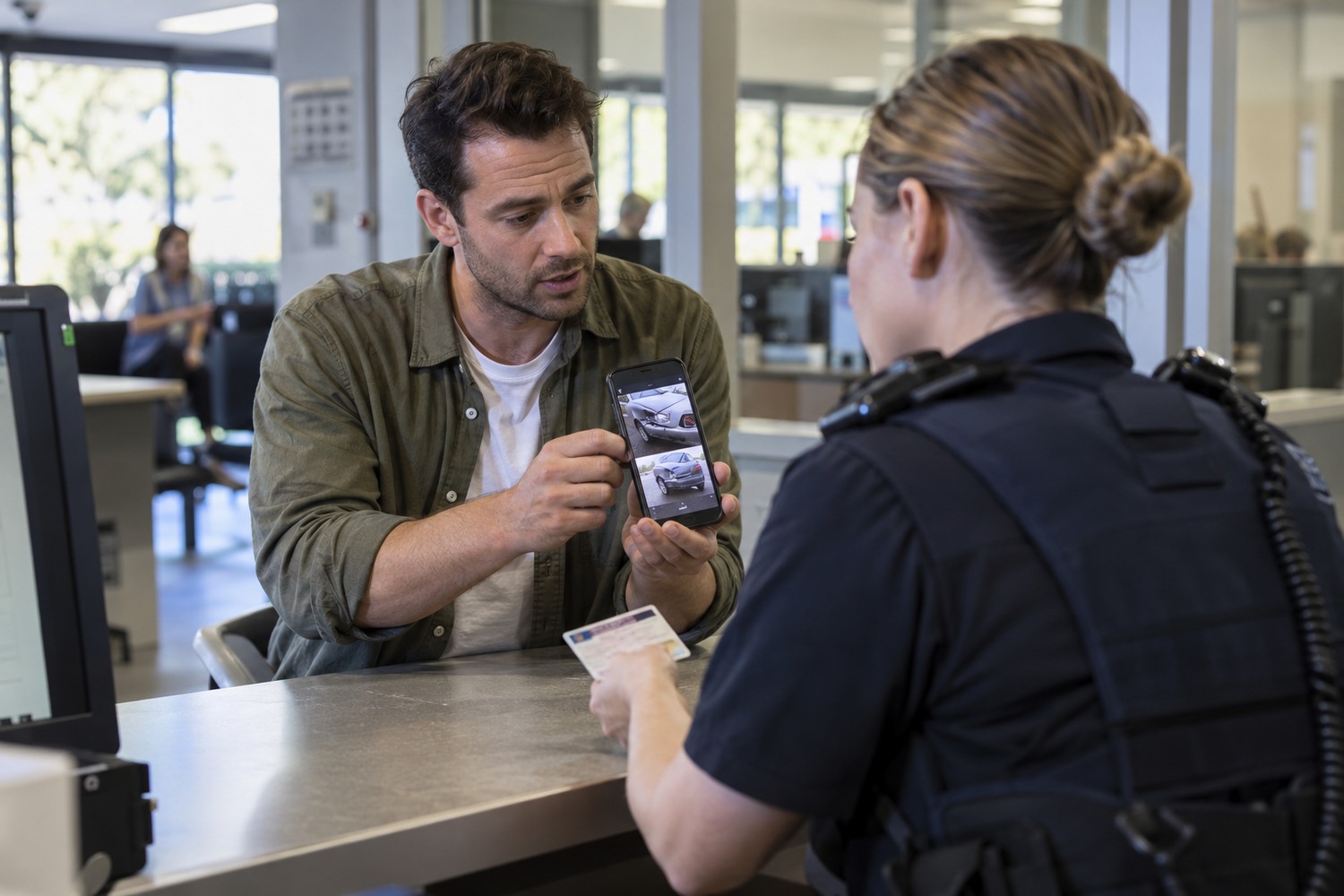
A crash report is made at a police station. Victoria Police’s instruction is to visit or contact your local station, and for the two situations above the Act asks for a report in person.
“I need to report a crash from this morning. Nobody was hurt, but the other driver left before I got their details.”
- Where to go. The station most accessible from the scene, or the next one if that is closed. Stations keep different hours, so check which one near you is open first.
- What to take. Your licence, your registration number, and whatever you have on the other driver and their car. The date, the time and the location are what a report is built on. Bring any photos or footage too.
- What happens there. You give full particulars of the crash and the officer records it. Where a matter is still being investigated, or the other driver has not been found, the record can sit unapproved for a while.
- What you leave with. Ask for the reference number and the name of the officer who took the report, and write both down at the counter. Going back for it later is harder.
What a police report number is, and who asks for it
A police report number is the reference police give you for an incident they have recorded. Insurers are the ones who want it. One Victorian policy asks you to keep any incident report number police give you. Another asks for the date, the time, the report number and the name of the officer. Neither wants the report itself at that stage, only the number.
The report behind it can be obtained later. Anyone injured, or who suffered property damage, in a Victorian traffic accident can apply to Victoria Police for a copy. An insurer can apply for you with your written authorisation. Victoria Police asks for a minimum of ten working days to process one. Nothing is released while the matter is still unapproved. So a disputed claim is quicker to settle where a number already exists, because there is something to ask for.
What to do if the other driver drove off
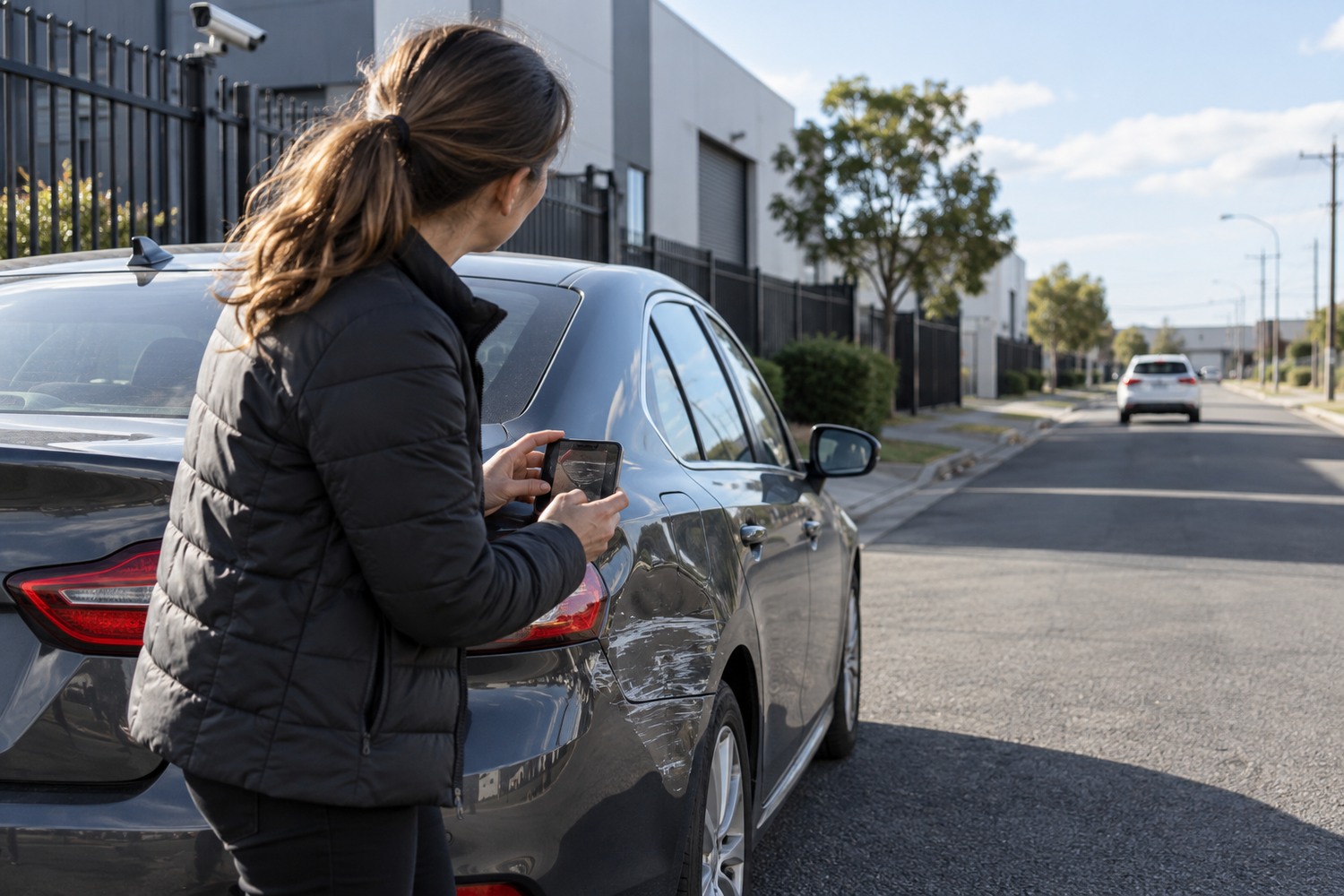
A driver who leaves without stopping or handing over details has not done what section 61 asks. That is their duty rather than yours. What sits with you is getting the crash on the record while the detail is fresh.
Who ends up paying is a separate question, and what not-at-fault drivers can claim in Victoria answers it.
- Your own reporting duty may be live. If the other car was damaged and its owner has gone, the Act’s answer is a report in person at the most accessible police station.
- Write it down straight away. The time, the place, the direction the car was heading, and as much of the number plate as you got. If the plate is gone, the make, colour and body shape are worth having.
- Look for a camera. Petrol stations, warehouse gates and car parks are often covered. Ask the same day rather than next week, and take whatever you get in with the report.
- A partial plate is still worth reporting. Three or four characters with a time, a place and a direction beside them beat a description on its own. Whether it leads anywhere is not something anybody can promise.
Can you claim without a police report?

Usually yes, and your policy decides. The product disclosure statement settles it, and insurers word it differently. Neither of two widely sold policies makes a police report a condition of claiming after an ordinary collision. One still lists reporting the incident to police as a first step. Both ask you to report theft, attempted theft or malicious damage to police, and to keep the number. One says you must prove the incident happened, and may ask police to confirm you reported it. Read your own wording, because that is the only place the answer lives.
What to do with the damage while the report is sorted out
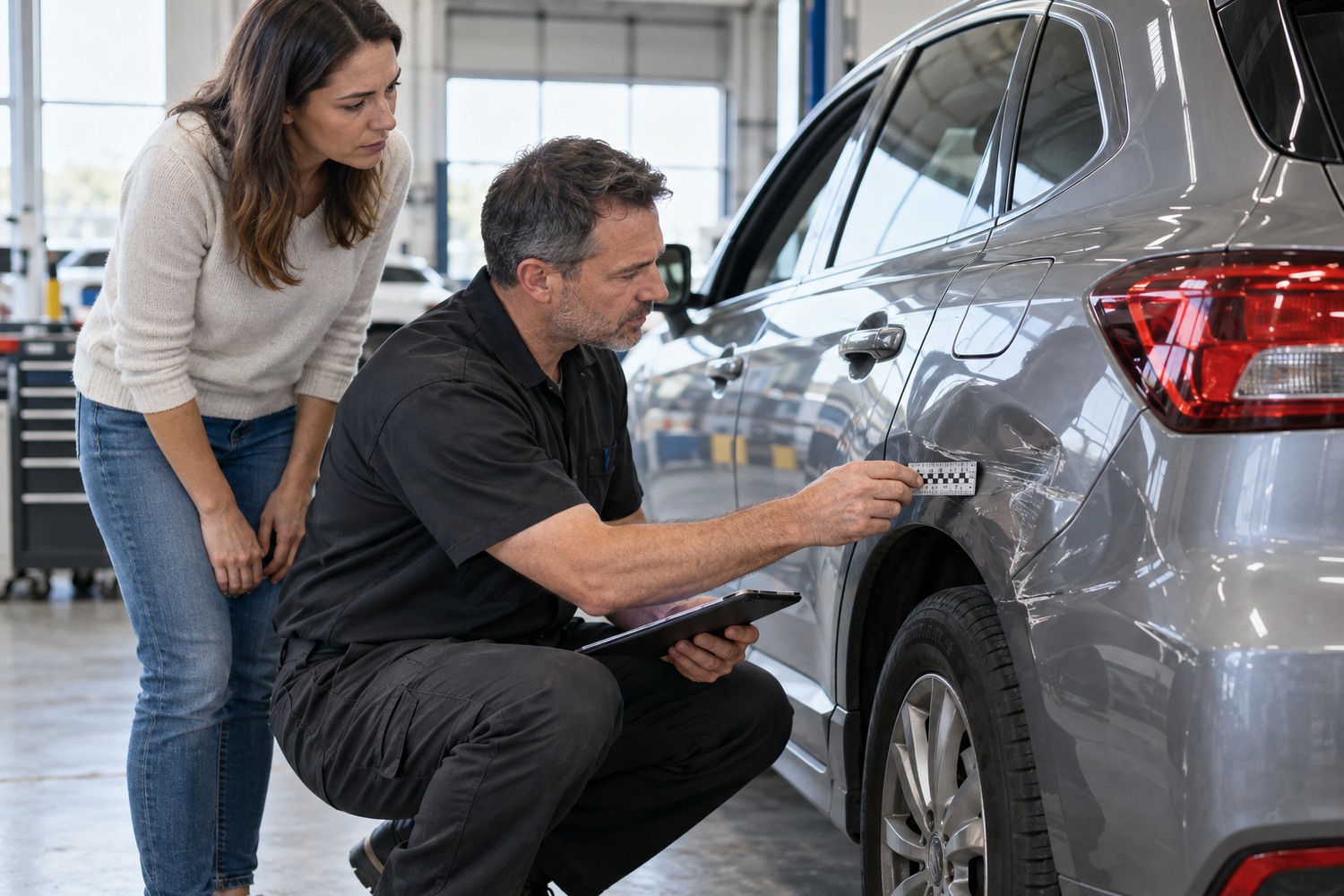
Back to nine at night. If nobody was hurt and details were exchanged, the report is probably not yours to make, and what is left is the dent.
The next thing that moves is a written quote. It puts a figure on the damage, and it is what an insurer works from. It does not wait on the report or on fault being settled. A smash repair estimate is the place to start.
Bring the car in and you will get that figure, and a plain answer on what the repair needs. Some of the work happens on site and some is arranged out, so ask what applies to your car. The number is 03 8353 9329, and the rest is on the contact page.