
You've just lodged the claim. The car took a solid hit at the front, the bonnet's not closing right, the steering pulls left, and there's a clicking sound from the front wheel when you turn. The insurer's gone through their script, given you a claim number, and told you which repairer will be handling it. You've never heard of them. They're 40 minutes away. And it's not sitting right.
So before you agree to anything, what are your options?
The quick answer
Yes, in most cases you can choose your own panel beater in Victoria. If your comprehensive policy includes a “choice of repairer” clause (most do, either as standard or as an optional add-on), you can nominate the shop you want to use regardless of which one the insurer assigned you. The General Insurance Code of Practice requires insurers to handle claims fairly, and your Product Disclosure Statement (PDS) sets out exactly what your policy gives you.
Three things to check before the next phone call:
- Does your PDS mention “choice of repairer”? If yes, you have the right.
- Was the accident your fault? If no, your flexibility goes up considerably.
- Is the damage cosmetic, or does it involve mechanical or structural work? The more complex the damage, the more your choice matters.
The rest of this article covers when exercising your choice changes the outcome, the words to use on the call, what it costs, and what to do if the insurer pushes back.
Why insurers steer you toward their network
It's not a conspiracy. It's a business arrangement.
Insurers sign volume agreements with selected repairers (sometimes called preferred or partner repairers). The repairer gets a steady stream of work. The insurer gets pre-negotiated rates, agreed turnaround times, and streamlined admin. For a straightforward bumper bar claim on a common car, this works fine for everyone.
What's worth knowing is that the call centre script is built for efficiency, not for walking you through your options. If you don't raise choice of repairer, it usually doesn't come up.
When the insurer's preferred shop is fine
Plenty of insurer-preferred shops do solid work. The preferred repairer is usually the right call when:
- The damage is minor and cosmetic (a dented door, a kerbed bumper)
- The car is a common make and model with readily available parts
- You don't have an existing relationship with another shop
- You want the simplest, fastest process
- The location works for where you live or work
If that's your situation, accept the assignment and get on with your day.
When your choice matters most
There are situations where exercising your choice makes a meaningful difference, and they're not always obvious from the kerbside.
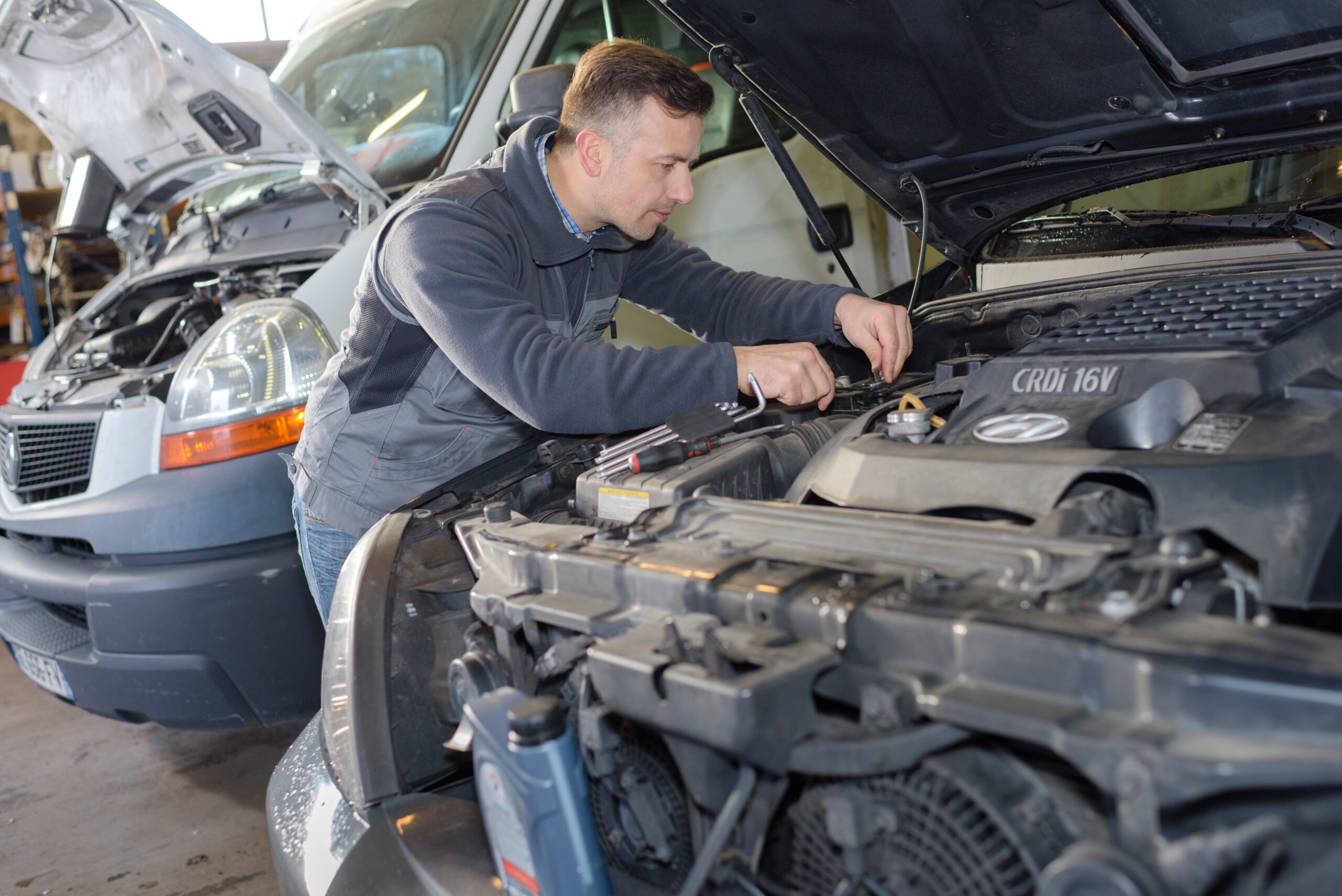
The damage isn't only panel work. A solid front-end hit doesn't just bend metal. It can throw out the wheel alignment, damage the radiator and cooling lines, crack the air conditioning condenser, twist suspension components, set off airbag modules, and leave the car's safety electronics with stored fault codes. A panel-only shop will repair the panels well, then sub-contract the mechanical work to whoever they have on call. That coordination adds time and creates handoffs where small things get missed. We see cars come through our workshop in Truganina that were repaired elsewhere where the panel work is good but the steering still pulls, the alignment was never done, or a fault code from the impact was never cleared.
This is where Street Elite Bodyworks is set up differently. We're a panel beater and a mechanical workshop under the one roof. Front-end damage that needs panels, alignment, suspension, and a diagnostic scan is one job here, not three appointments coordinated between three businesses.
You're driving a truck, ute, or fleet vehicle. Insurer preferred-repairer networks lean heavily toward passenger cars. If you've got a heavy commercial, a tray-back work ute, or a fleet vehicle with a custom fit-out, the network's options thin out fast. You may end up with a shop that's never worked on your vehicle type. Owner-operators running out of the Truganina and Derrimut industrial corridor usually have more to gain from nominating a repairer with the bay space, equipment, and experience for the truck or van they actually drive. We handle truck collision repairs alongside passenger work, which is unusual in Melbourne's west.
The job involves a tricky paint match. Whites, pearls, and metallics are the hardest colours to match. A high-volume preferred shop working to a tight cycle time may not have the patience for a difficult blend. Our piece on white paint matching covers how much variation there is between batches of the same factory white. This is one of those jobs where the shop that owns the colour science makes a visible difference on the panel.
You've used the shop before and trust them. Continuity matters. A repairer who has worked on the car previously has photos on file, knows its history, and can tell pre-existing damage from new damage. That alone can save argument.
Why insurers steer you toward their network
| Factor | Insurer's preferred shop | Your nominated repairer |
|---|---|---|
| Best fit | Simple cosmetic damage on common cars | Complex damage, paint specialists, special vehicles |
| Mechanical work | Usually sub-contracted | Done in-house at a hybrid shop |
| Paint match (whites, metallics) | Variable, tight cycle time | More flexibility on time and method |
| Trucks and fleet | Limited network options | Pick a shop set up for it |
| Process speed | Often faster admin | Slightly more setup, similar overall |
| Cost to you | Usually just your excess | Usually just your excess (occasional gap) |
| Workmanship guarantee | Backed by the insurer | Backed by the repairer (always verify) |
How to nominate your own repairer
The phrase that opens the door with most insurers is some version of:
“I'd like to nominate my own repairer under choice of repairer.”
If the call centre operator hesitates or pushes back, ask them to confirm in writing whether your policy includes choice of repairer, and request the PDS section that covers it. They have to provide this.
Once your right is confirmed, the process is:
- Get a written quote from your nominated repairer (we provide quotes free of charge).
- Send the quote to your insurer with the claim number.
- The insurer's assessor reviews the quote, sometimes asks for clarifications, and authorises the repair (usually within a few business days).
- Work proceeds once authorisation comes through.
The documents your insurer will ask the repairer for are standard:
- An itemised quote with labour and parts split out
- ABN
- Public liability insurance
- A workmanship guarantee
Any reputable shop has these ready.
The not-at-fault exception
If the accident wasn't your fault and the other driver's insurer is paying, your flexibility goes up considerably. You're not bound by your own insurer's preferred repairer network because you're not making a claim on your own policy. The at-fault party's insurer will still want to authorise the cost, but they have less leverage to dictate where you go.
We've covered the not-at-fault claim process in detail in another article on the Street Elite blog. The short version: if you're not at fault, almost always exercise your choice.
What it costs you
Honest answer: usually nothing extra.
If your nominated repairer's quote is in line with what the insurer would pay their preferred shop, the insurer authorises the full amount. You pay your excess (commonly between $600 and $900 for a standard comprehensive policy, though it varies) and that's the end of it.
When the quote and the insurer's authorisation don't match, here's what happens:
- The quote matches what they'd pay anyway. Authorised in full, you pay your excess, done.
- The quote is slightly higher. The insurer either negotiates with the repairer to bring it in line or asks you to pay the gap.
- The quote is significantly higher, or the repair method differs (panel replacement instead of repair, for example). The insurer may offer a cash settlement so you can manage the job yourself.
A reputable shop will be transparent about this from the start. If we quote a job and we expect the insurer might push back on a particular line item, we tell you upfront so you can decide how you want to handle it. No surprises mid-repair.

Frequently asked questions
Ask for the refusal in writing with the reason. If the reason is the quote amount, the repairer can usually negotiate or the insurer can offer a cash settlement to cover their authorised figure. If the refusal isn't reasonable, lodge an Internal Dispute Resolution (IDR) complaint with the insurer first. If that doesn't resolve it within 30 days, escalate to the Australian Financial Complaints Authority (AFCA), which is free, independent, and binding on the insurer.
No. The premium impact and any no-claim bonus loss come from making the claim itself, not from where the work is done. Your insurer can't penalise you for exercising a right that's written into your policy. If you're worried about how a claim will affect your renewal, that's a conversation about whether to claim at all, not about who repairs the car.
It's a small wording change with a big effect. “Choice of repairer” means you can nominate any repairer you like. “Choice of preferred repairer” usually means you can pick from the insurer's existing network only, which isn't really a choice in the way most people understand the phrase. Always check the exact wording in your PDS, not just the marketing on the policy summary.
Yes. The tow location isn't the repair location. Cars are often towed to a holding yard or the nearest accredited site first while the claim gets sorted. You can ask your insurer to release the car to your nominated repairer for assessment and repair. There may be a second tow fee, but the insurer usually covers it as part of the claim, especially if you're not at fault.
A second opinion before you agree to anything
If you're sitting with a claim number and a repairer assignment that doesn't sit right, the most useful thing you can do is get an independent quote before you agree to anything. No cost, no obligation. It gives you a real basis for the conversation with your insurer, and ten minutes on the phone could change the outcome of the next four weeks.
Send us photos of the damage and the claim number, drop in to the workshop, or call us. We'll give you a written quote, an honest read on whether exercising your choice is worth it for this particular job, and where you stand if you decide to push back. Street Elite is in Truganina and we work with every major insurer in Victoria, covering the western suburbs from Williams Landing through Tarneit, Wyndham Vale, and Werribee.