


Whether you get a courtesy car after an accident in Victoria depends on your insurance policy and on who was at fault. It does not depend on which repairer you use. There are two separate routes to a replacement car, and they work nothing alike. Your own comprehensive policy may carry a hire car benefit. The policy wording sets what that benefit gives you. Where another driver was at fault, a replacement car is a cost you recover from them or their insurer, and it has to be reasonable. Neither route is automatic.
It is the day after. The car is off the road, and Monday morning still has to happen. Losing a car in Truganina, Tarneit or Werribee is a different problem to losing one a short walk from a tram stop.
This is general information for Victorian drivers, not legal advice. What you can claim turns on your policy and on the circumstances of the crash.
If the paperwork is not done yet, start with what to do in the first hours after a crash.
Does your insurance give you a car while yours is repaired?

A hire car under your policy is a benefit you bought, not something the law gives you. Australian comprehensive policies handle it in roughly four ways. Some include a hire car for any claim. Some include one only where you were not at fault. Some sell it as an optional extra. Some do not offer it at all.
The document that settles it is the product disclosure statement, or PDS. That is the booklet setting out what your policy covers. Search it for a hire car or replacement vehicle benefit. If those words are not in there, the benefit is not either.
Then read what the benefit attaches to. Cover is usually written around a class of car rather than a match for your own, so a large wagon can come back as something smaller. It also carries a limit, set as a number of days or an amount per day.
The car usually comes from a hire company your insurer deals with. You are not obliged to take it. If you would rather organise your own, check what the policy pays first.
Ring your insurer and ask:
“Does my policy include a hire car while mine is repaired, is that for any claim or only when I am not at fault, and what is the limit?”
If your insurer knocks back a benefit you believe you hold, the Australian Financial Complaints Authority, or AFCA, is the free complaints service for insurance disputes.
Who pays for a hire car if someone else hit you?

Where another driver was at fault, your policy does not hand you a replacement car. It is a cost you seek to recover from that driver or their insurer. That runs on a single word.
The word is reasonable. A reasonable need for a car. A reasonable class of car. A reasonable length of hire, tied to the repair the car genuinely needs. Almost every dispute is an argument about one of those three.
In December 2021 the High Court settled the class question for Australia. A driver who was not at fault can recover the cost of hiring a car broadly equivalent to their own, not the cheapest thing that gets them around. After that, it falls to the other side to show the cost was unreasonable.
It is still not automatic. The rate, the length and the choice of car can each be argued. The argument happens after you have signed for the car, so get the other insurer’s position in writing before you hire anything.
If the other driver had no insurance, the claim runs against them personally. Whether you see the money depends on whether they can pay.
Fault itself is a subject of its own. There is a fuller read on how fault is worked out and what a not-at-fault claim covers.
| What decides it | Your own policy | Recovering from the driver at fault |
|---|---|---|
| What kind of car | A class set by the policy, not a match for your own | A car broadly equivalent to the one that was damaged |
| Who arranges it | Usually the insurer, through a hire company it deals with | You do, and the cost is argued afterwards |
| What ends it | The limit written into the policy | The car being back, or the claim being settled |
| What to do first | Read the hire car section of your PDS | Get the other insurer’s position in writing |
What accident replacement vehicle companies offer, and how they get paid

There is a third option, and it usually finds you rather than the other way around. Accident replacement vehicle companies supply a car to a driver who was not at fault, at no cost upfront. They then recover the hire charges from the at-fault driver’s insurer. The model is legal, and it solves a real problem for someone who cannot fund a hire car.
The part worth understanding is what you sign. The paperwork usually includes an authority for a lawyer to act in your name to recover the cost. It can also carry terms that make you personally liable in some circumstances. Victoria’s legal services regulator publishes guidance on the practice, which it calls car napping. Its concern is what happens when the at-fault insurer rejects the charges: the driver is told to help bring proceedings in their own name, or pay the bill.
Plenty of these hires go through with no trouble. The ones that go wrong surface months later, when the car is long gone. Five questions cover the ground before you sign.
- Who pays if the other insurer will not? Have it pointed out in the contract, not described over the counter.
- Am I signing an authority for someone to act in my name? If so, ask what that person can do without asking you again.
- What is the daily rate, and what if it is disputed? A rate the other insurer refuses to pay does not disappear.
- How does the hire end, and who decides? Ask what happens if the repair runs long.
- Has my own insurer already offered me a car? If it has, you may be taking on risk for nothing.
None of that means walking away. It means taking the contract home to read, or getting advice, before you take the keys.
How long do you get a courtesy car for?

The length is tied to the repair, not to a fixed period, and the two routes cap it differently. A policy benefit runs to the limit written into it. A recovered cost runs to what is reasonable for the repair the car turns out to need.
What ends it is the same on both routes. The car comes back, or the claim is settled. Nobody can tell you which comes first until the damage has been assessed. Treat any early figure as a guess.
What a repairer can and cannot do about it

A repairer cannot grant you an entitlement that sits in your policy or in another driver’s liability. No workshop overrides policy wording or decides what the other side will pay.
What a repairer can do matters more. Once the car has been assessed, they can tell you what the work involves and keep you updated as it moves. That is the information your hire car question hangs on, on both routes. A policy benefit is measured against it, and a recovered cost is justified by it.
Ask for the assessment in writing. It is the most useful document you will hold in this process.
Ask the question before the car goes in
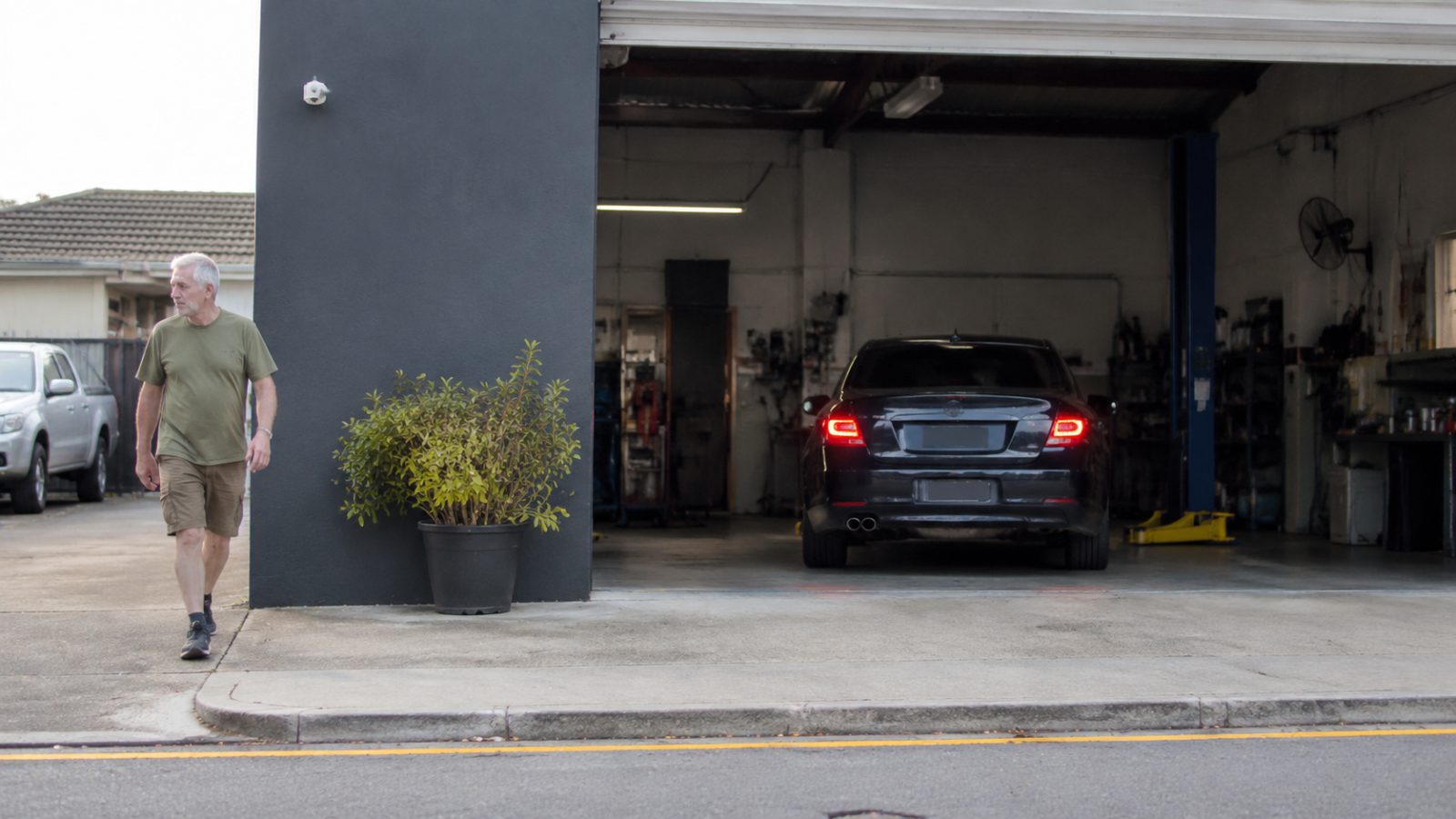
Go back to that first morning. The time to sort a replacement car is before it is booked in. Once the car is in a workshop, you have lost both the timing and the room to push.
Two calls do it. Ring your insurer and ask the hire car question above. If someone else was at fault, ask their insurer to put its position in writing before you accept a car from anyone.
Street Elite Bodyworks coordinates replacement vehicles as part of a not-at-fault claim, and is a panel beater in Truganina that handles the mechanical side too. Hours and the workshop address are on the contact page.
Frequently asked questions
Do I have to use the hire car company my insurer arranges?
No. The insurer will normally point you at a company it already deals with, and taking that offer is the simplest path. Organising your own car instead is allowed, but the policy still pays only what it promises. Confirm the figure before booking.
What if I have no hire car cover and the crash was my fault?
Then neither route is open to you. There is no benefit in the policy to pay out, and no other driver to recover the cost from. A normal rental at your own expense is what is left.
Can I claim a hire car if the other driver had no insurance?
You can still claim, but the claim is against that person rather than a company. That changes the question from whether you are owed the money to whether they can hand it over. Weigh that up before committing to an expensive hire.
Could I end up paying for a hire car that was offered at no cost?
It happens. The offer assumes the at-fault insurer will meet the charges, and the contract usually says what occurs if it does not. That is the clause to find and read before you accept the keys.