

What’s the Trick to Matching White Paint Repairs?
If there’s one colour that can make a perfectly good repair look “wrong,” it’s white. Not because white paint can’t be matched (it can), but because white is less forgiving than most people expect. The difference often isn’t obvious under workshop lighting. It shows up later in full sun, in shade, or when you view the panel from an angle.
So what’s the trick?
There isn’t one single trick. A seamless white repair is usually the result of several small, deliberate decisions: how the colour is evaluated, whether the repair is blended into adjacent panels, how the paint is applied, and even what material the panel is made from.
This article breaks down what’s going on in plain English, and what consumers can look for when booking paint repairs.
So what’s the trick?
There isn’t one single trick. A seamless white repair is usually the result of several small, deliberate decisions: how the colour is evaluated, whether the repair is blended into adjacent panels, how the paint is applied, and even what material the panel is made from.
This article breaks down what’s going on in plain English, and what consumers can look for when booking paint repairs.
“White” isn’t one colour
People talk about white like it’s a single shade. In modern automotive finishes, “white” can be:
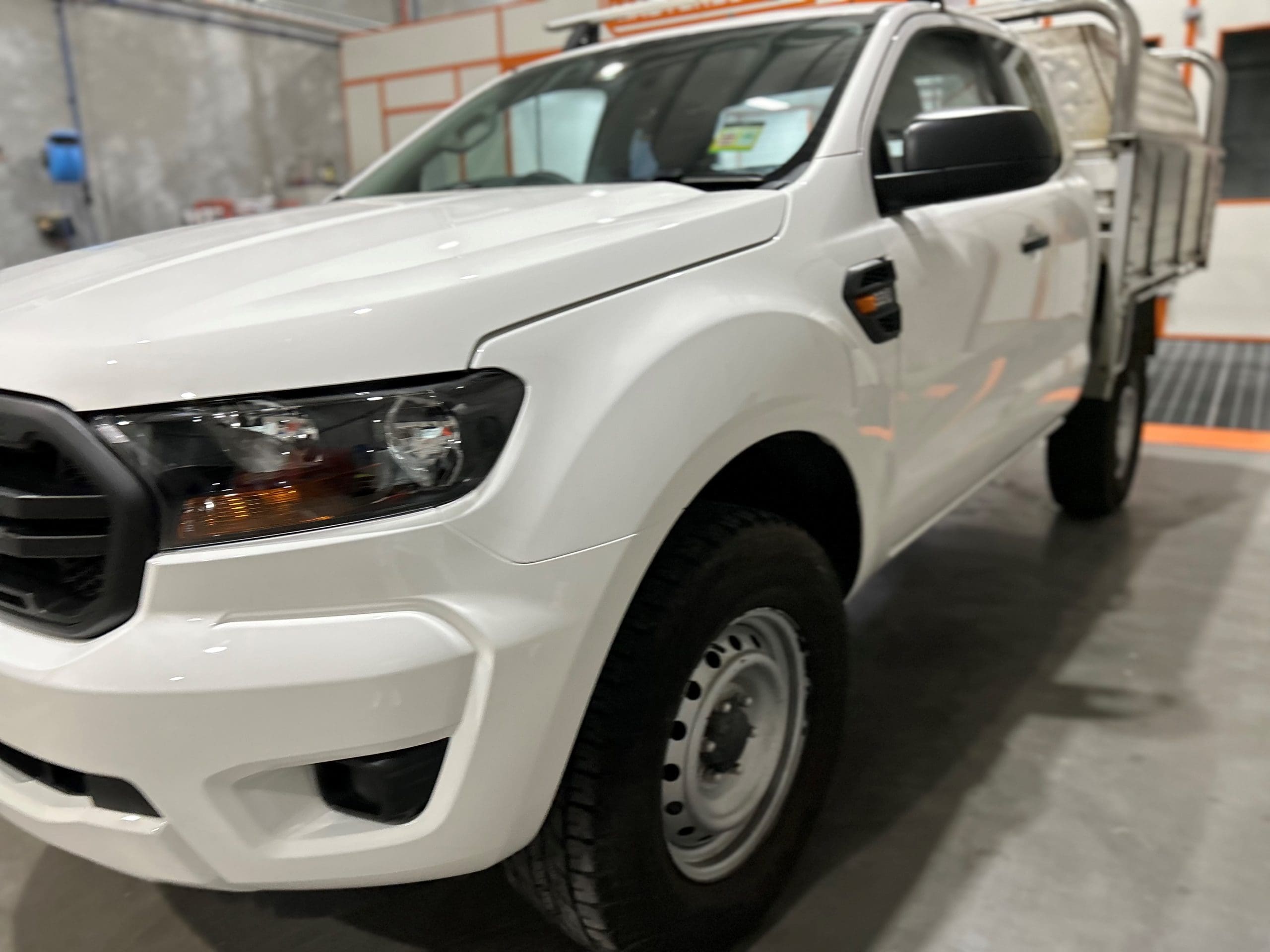
With metallics and pearls, colour isn’t just pigment. It is also how light reflects through and off the flakes/pearls. That means the colour can shift depending on viewing angle (sometimes called “flip” or “flop”). Paint manufacturers explicitly teach technicians to check colours from multiple angles and in daylight-like conditions to evaluate these angle-dependent effects.
Lighting changes what your eye sees
A repair can look perfect in one environment and slightly off in another. That’s not a “scam” by default. It’s a basic reality of colour perception.
Paint manufacturers recommend evaluating colour under daylight or daylight-corrected lighting, and from more than one angle, because many finishes change appearance depending on lighting conditions and viewing angle.
In practice, that means:
Paint manufacturers recommend evaluating colour under daylight or daylight-corrected lighting, and from more than one angle, because many finishes change appearance depending on lighting conditions and viewing angle.
In practice, that means:
The “trick” here is proper colour evaluation in the right light, not guessing.
The bumper problem: plastic doesn’t behave like metal
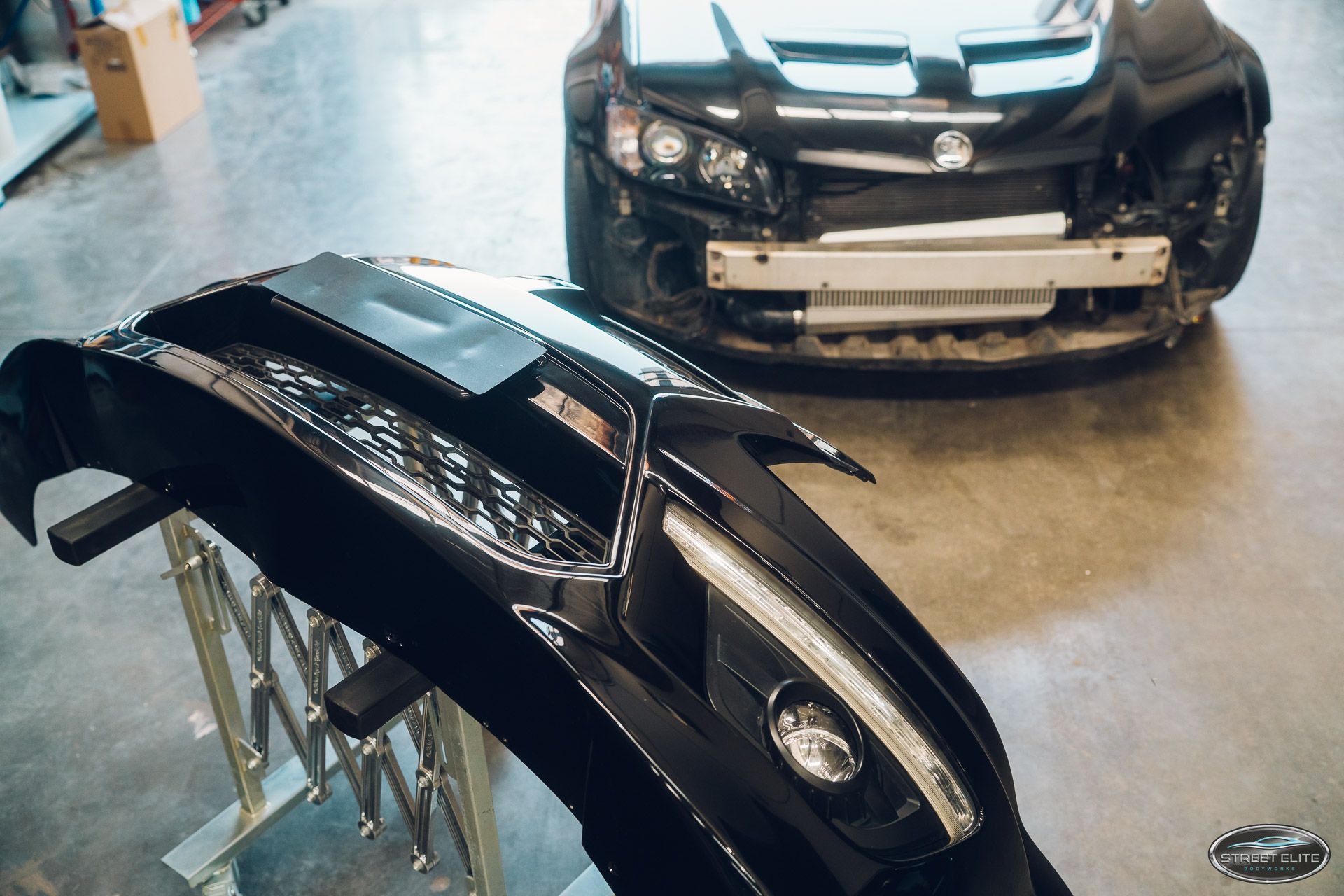
One of the most common “white mismatch” complaints is: “My bumper looks a different white than the guard/door.”
Sometimes that’s due to a repair. But it can also be true from the factory.
PPG (a major automotive coatings manufacturer) explains several reasons bumper colour can differ from the rest of the body, including:
Sometimes that’s due to a repair. But it can also be true from the factory.
PPG (a major automotive coatings manufacturer) explains several reasons bumper colour can differ from the rest of the body, including:
Plastic bumper covers, with their curves and flexibility, can make the same paint formula read slightly differently than it does on a flatter metal panel.
Consumer takeaway: a great shop can minimise this, but “perfect identical” on bumper-to-body isn’t always realistic for every white, especially pearls. The goal is a match that looks consistent in real-world viewing, not a lab sample match.
Consumer takeaway: a great shop can minimise this, but “perfect identical” on bumper-to-body isn’t always realistic for every white, especially pearls. The goal is a match that looks consistent in real-world viewing, not a lab sample match.
Why blending matters (and why it’s normal)
A lot of the best “invisible repairs” rely on blending: extending colour into an adjacent area/panel so your eye sees one continuous colour rather than a hard stop.
I-CAR (a widely used collision repair training body) describes blending as extending basecoat colour into an adjacent area/panel so that some of the original colour shows through and the eye perceives one colour rather than two.
In plain terms:
I-CAR (a widely used collision repair training body) describes blending as extending basecoat colour into an adjacent area/panel so that some of the original colour shows through and the eye perceives one colour rather than two.
In plain terms:
This is especially relevant for whites, because the human eye is extremely sensitive to subtle shifts in brightness and temperature (cool vs warm).
What does this mean? if a repair involves a white pearl, a bumper-to-guard transition, or a panel that’s faded, blending is often the difference between “you’ll always notice it” and “you can’t pick it.”
What does this mean? if a repair involves a white pearl, a bumper-to-guard transition, or a panel that’s faded, blending is often the difference between “you’ll always notice it” and “you can’t pick it.”
Application technique affects colour (even with the same paint code)
Many people assume the paint code is the answer: find the code, mix it, spray it, done.
The code is only a starting point. The final appearance can change with:
The code is only a starting point. The final appearance can change with:
This is why paint systems include tools and processes for assessing whether a colour is close enough to blend (rather than forcing a hard match), and why training resources discuss tinting and blending as standard colour match operations.
What does this mean? a clean match is as much about craft and process as it is about the formula.
Paint age, sun fade, and why your car isn’t “factory colour” anymore
Even if your car left the factory as a perfectly uniform white, years of UV exposure, washing, polishing, and environmental fallout can shift the way the finish reads.
What does this mean? a clean match is as much about craft and process as it is about the formula.
Paint age, sun fade, and why your car isn’t “factory colour” anymore
Even if your car left the factory as a perfectly uniform white, years of UV exposure, washing, polishing, and environmental fallout can shift the way the finish reads.
This is another reason blending exists: it’s a practical response to the fact that the surrounding panels are the reference, not the original factory formula.
The real “trick”: aiming for a blendable match
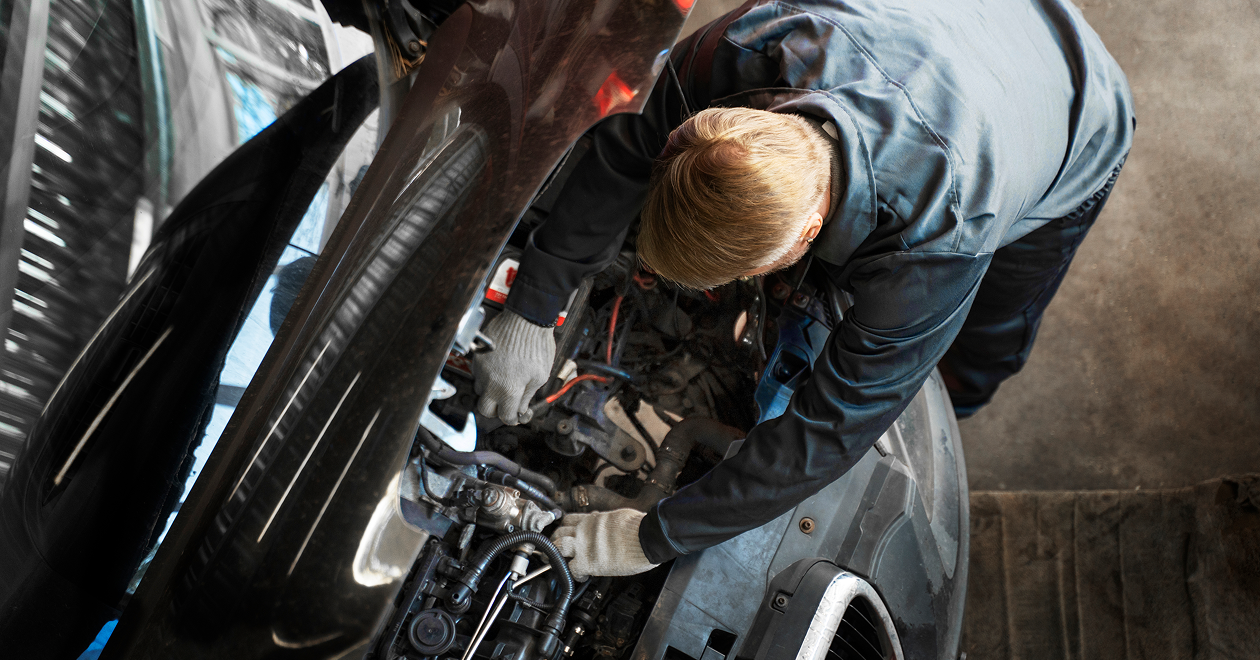
A smart colour match isn’t always about chasing a perfect edge-to-edge match on a single panel. Often it’s about getting a blendable match: a colour that is close enough that, with blending, the repair becomes visually seamless.
Paint industry guidance and tools focus on evaluating whether a chip/formula is close enough to blend into surrounding panels, rather than treating matching as purely edge-to-edge perfection.
Consumer takeaway: if a repairer talks about blending strategy and how they’ll evaluate the match in real light, that’s typically a sign they’re thinking about the finish the way professionals do.
Paint industry guidance and tools focus on evaluating whether a chip/formula is close enough to blend into surrounding panels, rather than treating matching as purely edge-to-edge perfection.
Consumer takeaway: if a repairer talks about blending strategy and how they’ll evaluate the match in real light, that’s typically a sign they’re thinking about the finish the way professionals do.
What you can ask your smash repairs workshop for?
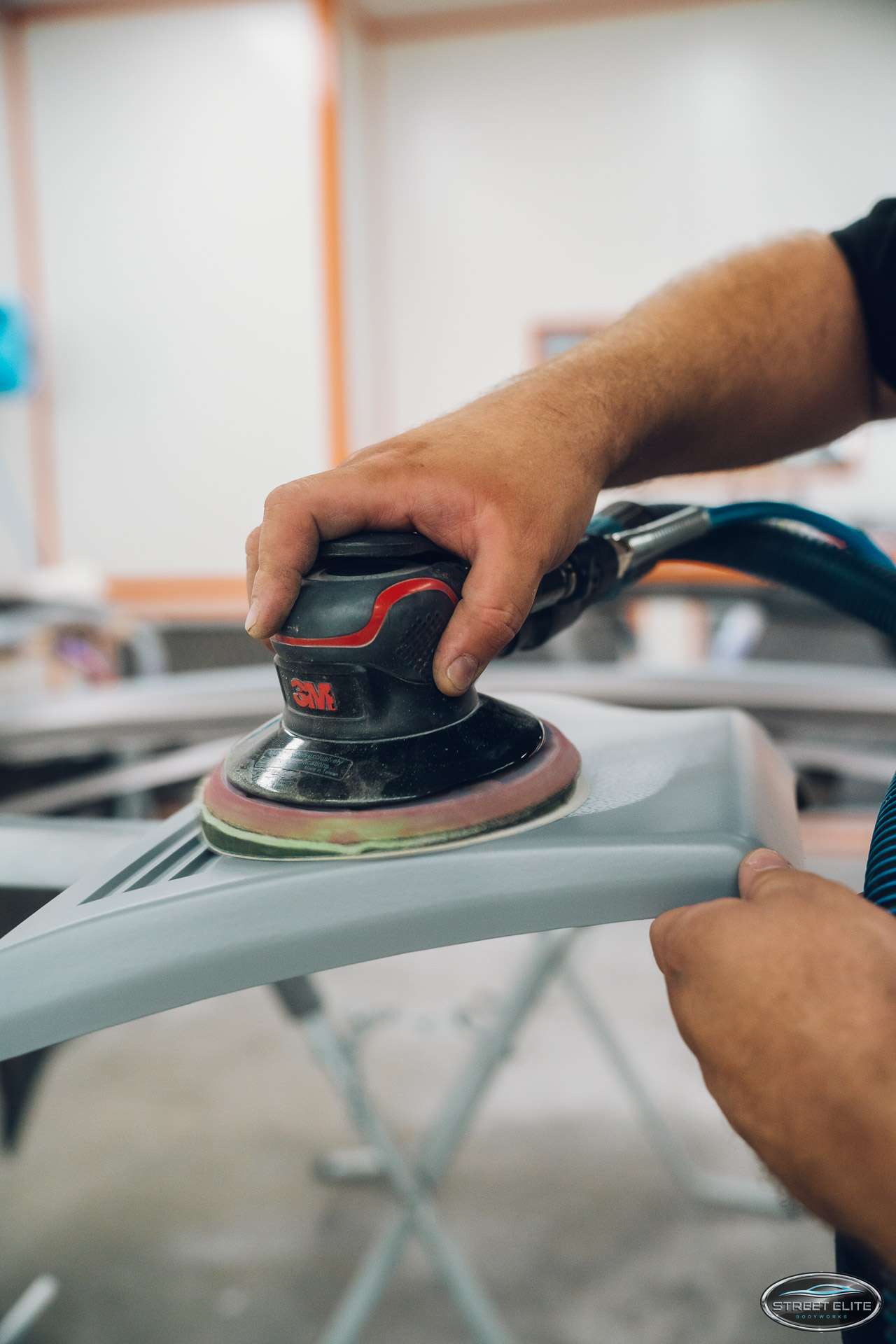
If you’re booking a white paint repair and you want the best chance of a seamless result, you don’t need to know paint chemistry. You can ask a few simple questions:
- Will you need to blend into adjacent panels?
If the answer is “never,” that’s worth clarifying. Blending is a standard technique for achieving a better match. - How will you check the match in different light?
Colour can shift with lighting and angle; checking in daylight-like conditions is a recognised part of colour evaluation. - Is the repaired part plastic (bumper) or metal?
Substrate and panel shape can affect how colour reads, even with the same formula. - Is my white a pearl/tri-coat finish?
Pearls and tri-coats are more sensitive to application and viewing angle, which affects matching.
These questions don’t demand trade secrets. They signal that you care about the result, and they steer the conversation toward the decisions that actually determine whether a white repair disappears.
FAQ
Yes. White can be matched, but it often needs more careful checking in daylight-like conditions and, in many cases, blending into adjacent panels to make the repair disappear.
Many finishes change appearance depending on lighting and viewing angle. Paint manufacturers recommend checking colour in daylight or daylight-corrected lighting and from more than one angle for this reason.
Bumpers are usually plastic and can reflect light differently than metal panels. They are also often painted separately from the body, and shape/curvature can affect how the colour reads.
What does “blending” mean, and why is it used on white cars?
A paint code is a starting point. The final appearance can vary with application technique and with how the existing paint has aged over time, which is why blending and proper colour evaluation matter.
Not always. Even factory vehicles can show slight bumper-to-body variation because of different materials and how light reflects. The practical goal is a finish that looks consistent in real-world viewing.