

Why Does a “Quick” Paint Job Take So Long?
If you’ve ever been told a job is “just paint,” then watched the timeline stretch out from days into weeks, you’re not alone. Paintwork looks simple because the final result is simple: a shiny panel that matches. What sits underneath that shine is time-consuming, sequence-dependent work, and a few bottlenecks that can’t be rushed without trading off durability or finish quality.
There is no single reason paintwork takes time. It is a chain. If one link slips, the whole schedule moves.
Below is what that chain usually looks like in the real world, and why “quick” often turns out to be more complicated than it sounds.
There is no single reason paintwork takes time. It is a chain. If one link slips, the whole schedule moves.
Below is what that chain usually looks like in the real world, and why “quick” often turns out to be more complicated than it sounds.
What people think “quick” means vs what it usually involves
| What people expect | What usually has to happen first | Why it adds time |
|---|---|---|
“Just spray the damaged spot” | Cleaning, sanding, feathering edges, masking | Prep is most of the labour, and it drives the final finish. |
“Paint it today, pick it up tomorrow” | Flash times between coats, controlled curing | Coatings need time to flash and cure; conditions matter. |
“It’s one panel” | Colour evaluation, often blending into adjacent panels | Blending reduces visible edges, especially on whites/pearls. |
“Nothing else is involved” | Refit trims, clips, checks, denib/polish if needed | Reassembly and QC are real work, not admin. |
“Why can’t you just squeeze it in?” | Booth scheduling and cycle capacity | Booths are finite and run controlled cycles. |
The job starts long before any paint is mixed
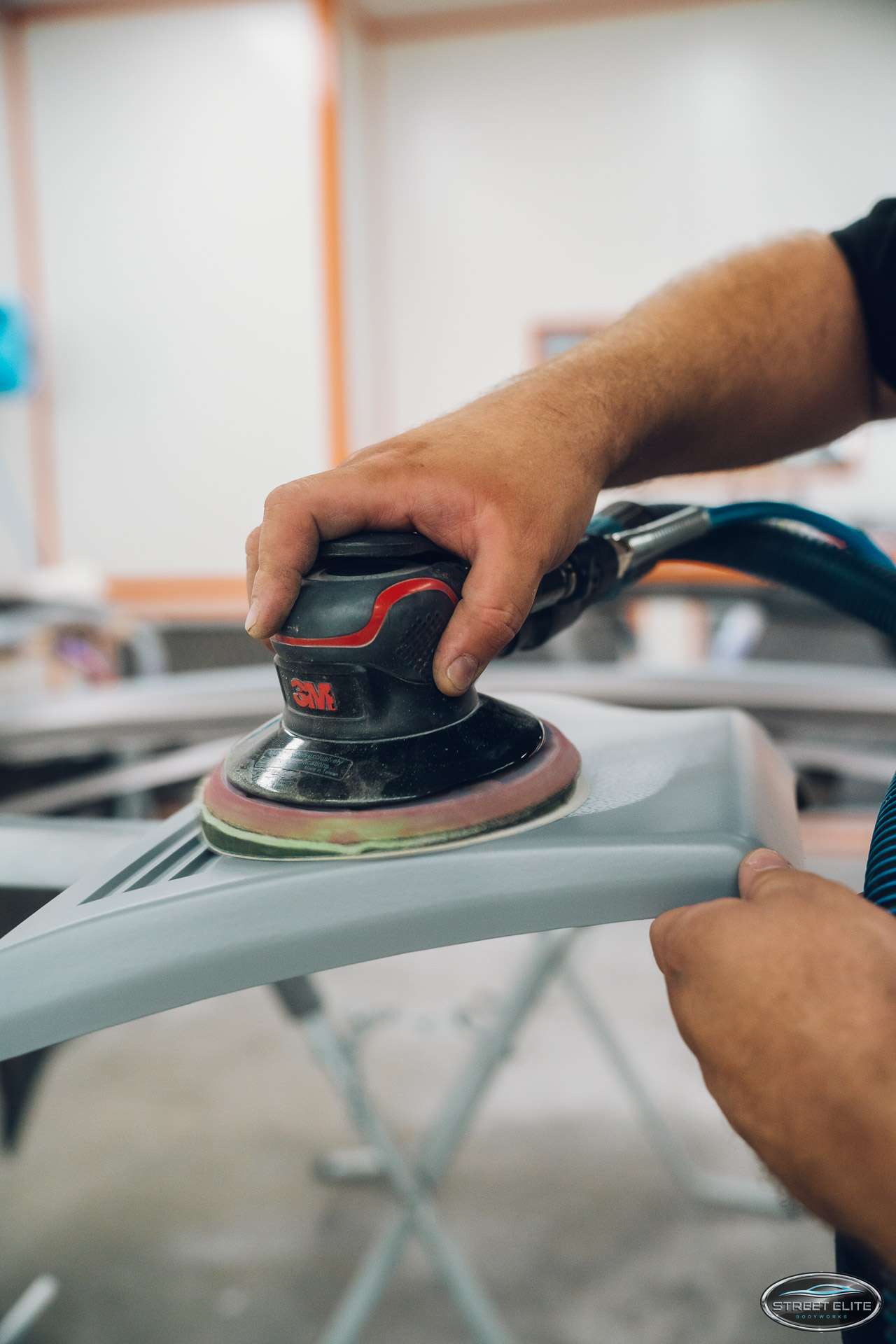
Most of the time in paintwork is not spent spraying colour. It is spent getting the surface and the surrounding area ready so the colour has a clean, stable foundation.
Major refinish systems publish step-by-step preparation processes that start with washing, cleaning, drying, then sanding, masking, and surface prep before paint even comes into the conversation.
Preparation is not busywork. It is what prevents defects people notice later, like fisheyes, peeling, edge lift, contamination in the clear, or mismatched texture. PPG’s refinish guidance stresses that effective preparation supports the best finish and helps avoid paint defects that cost time to fix.
Major refinish systems publish step-by-step preparation processes that start with washing, cleaning, drying, then sanding, masking, and surface prep before paint even comes into the conversation.
Preparation is not busywork. It is what prevents defects people notice later, like fisheyes, peeling, edge lift, contamination in the clear, or mismatched texture. PPG’s refinish guidance stresses that effective preparation supports the best finish and helps avoid paint defects that cost time to fix.
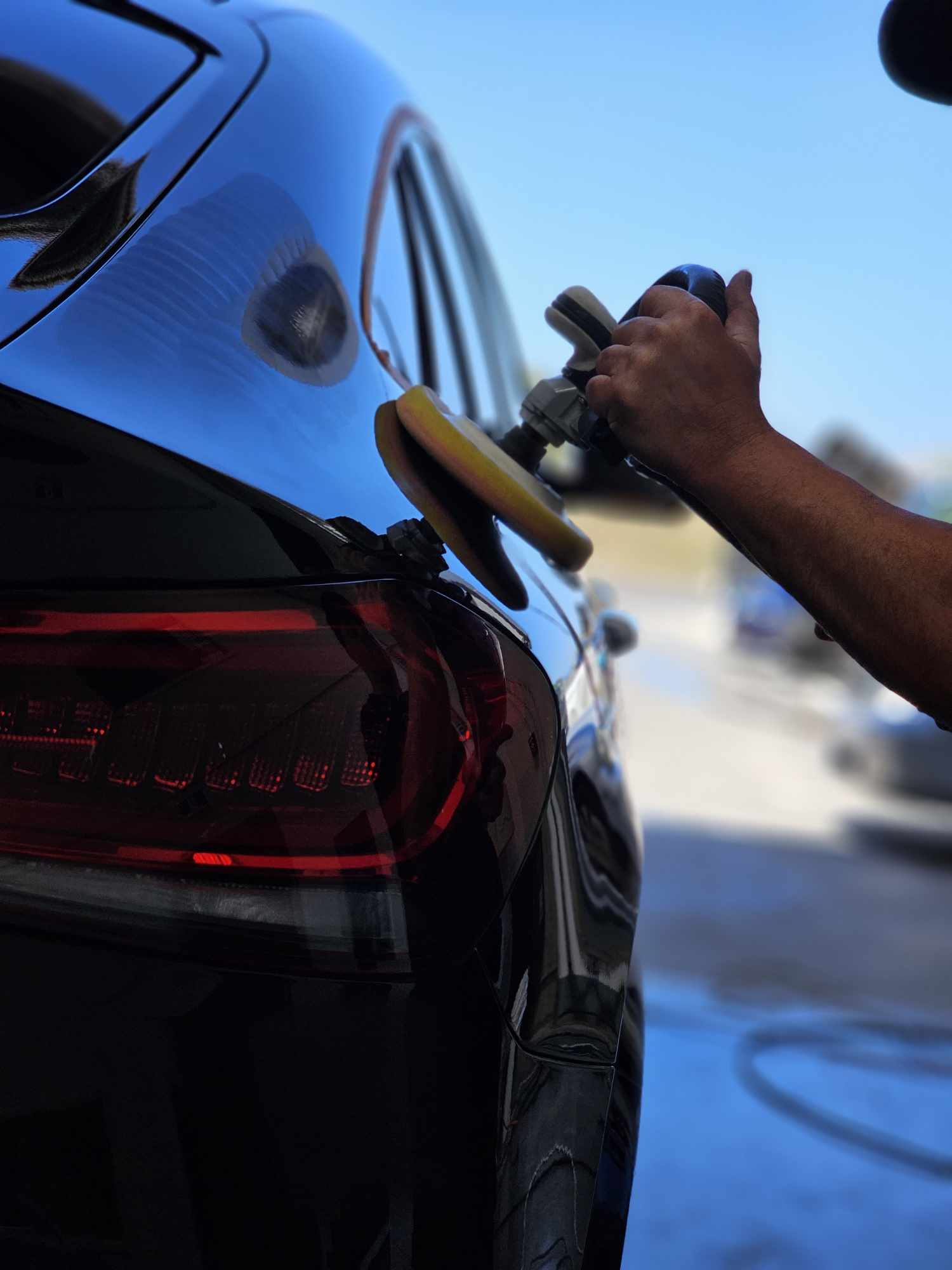
What prep commonly includes (in plain terms):
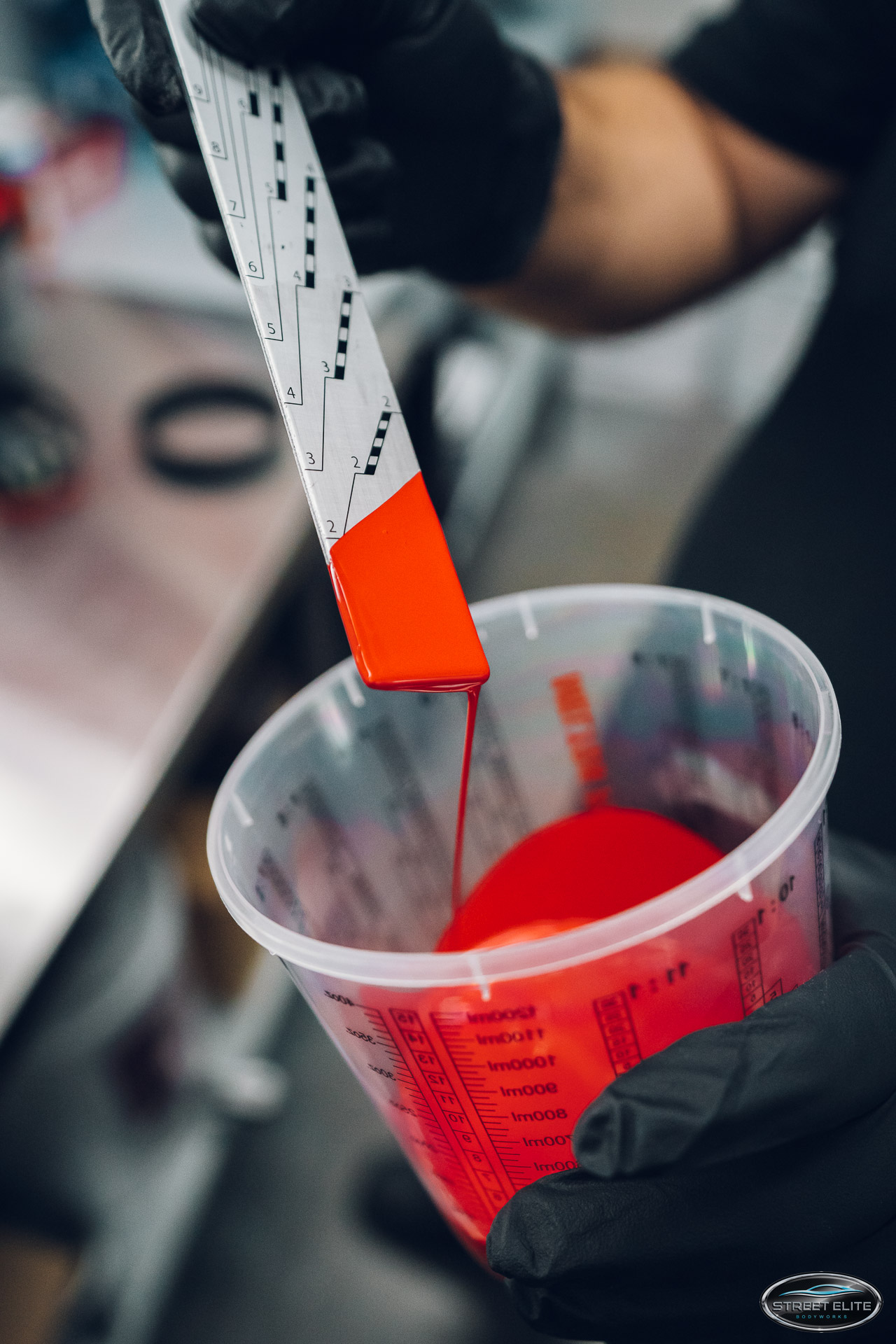
A “paint job” is often two jobs: repair and refinish
Many paint bookings are not actually paint-only. A scuff or scrape can hide damaged plastic, distorted metal, prior repairs, or cracked bumper tabs. That matters because the painter is not painting “a scratch.” They are painting a repaired surface.
This is why timelines can change after inspection or teardown. Until trim is removed and the panel is properly assessed, the visible damage is not always the full story.
This is why timelines can change after inspection or teardown. Until trim is removed and the panel is properly assessed, the visible damage is not always the full story.
Common reasons the scope changes after inspection:
Masking and protection take longer than people assume
Paint overspray goes everywhere. A proper job needs careful masking of adjacent panels, glass, trims, lights, wheels, and sometimes engine-bay edges depending on the area being repaired.
Masking is part of standard operating procedures for refinish work, alongside cleaning and prepping panels and edges.
Masking is part of standard operating procedures for refinish work, alongside cleaning and prepping panels and edges.
Flash times and cure cycles are not optional
Automotive coatings have specific flash times between coats and cure schedules, and manufacturers note that conditions like temperature and humidity affect flash and curing behaviour.
Two terms that explain most “why is this taking so long?” moments:
Even if spraying is fast, the coating still needs time to behave like a coating.
The paint booth is a real bottleneck
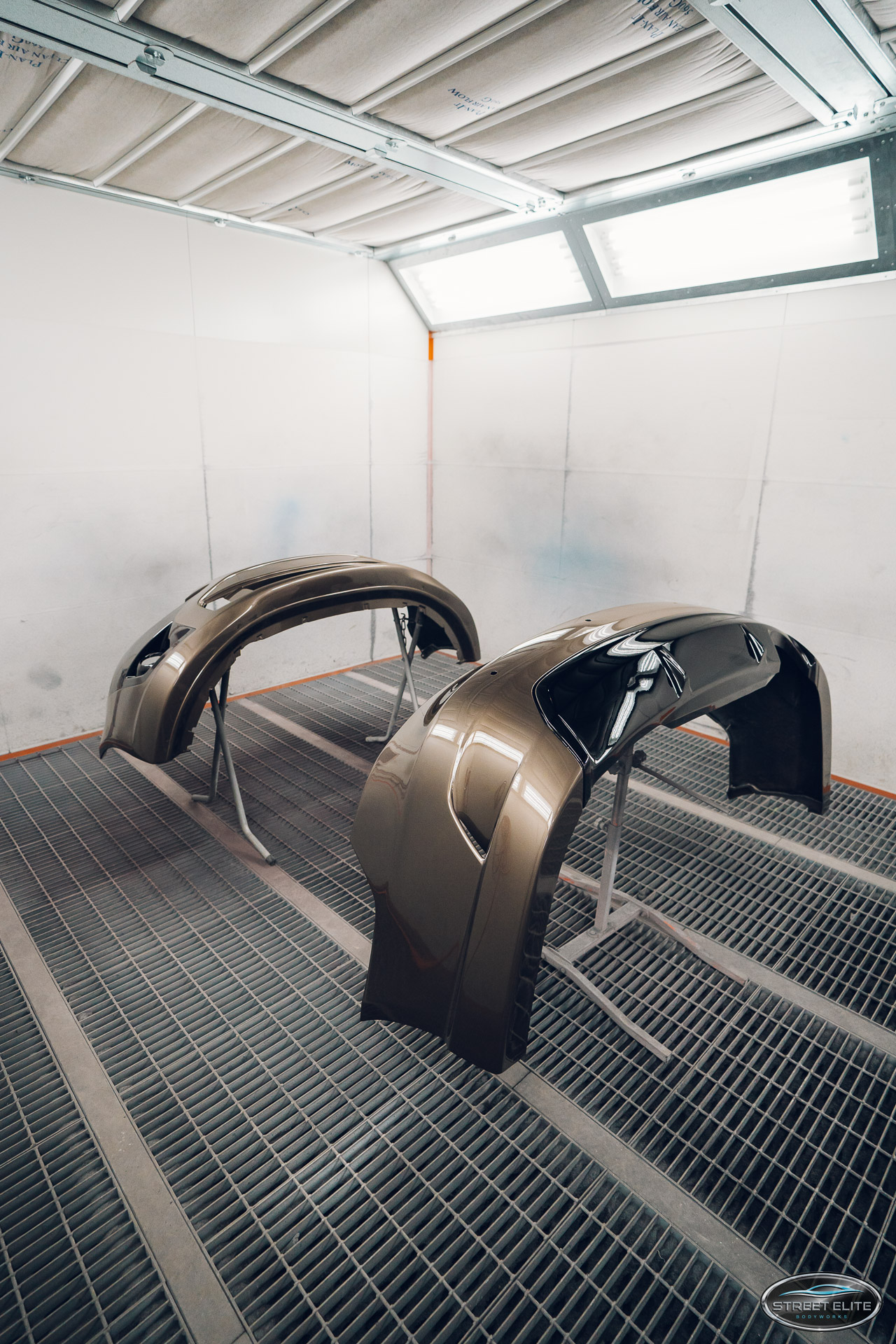
A booth is not a limitless resource. Each job needs booth time for application, flash, and cure. After that, there is cooling time before the vehicle can be safely moved and handled.
This is why a job can be “ready for paint” but still sit in a queue. Plenty is happening, but the job is waiting for a scarce resource. Finishing-industry guidance discusses the importance of managing booth cycles and allowing appropriate flash time before curing cycles.
This is why a job can be “ready for paint” but still sit in a queue. Plenty is happening, but the job is waiting for a scarce resource. Finishing-industry guidance discusses the importance of managing booth cycles and allowing appropriate flash time before curing cycles.
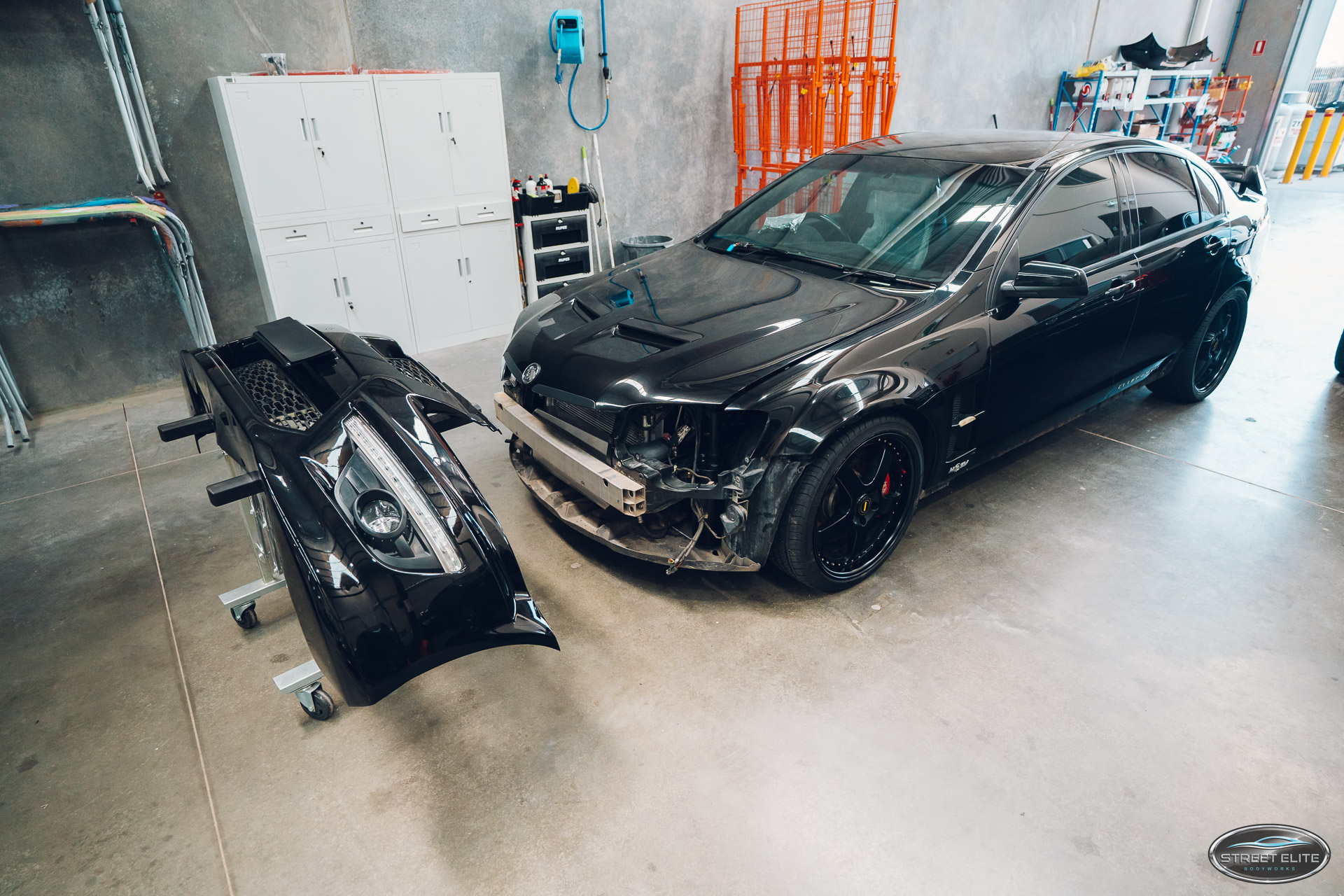
When the booth queue gets tight, you’ll often see delays driven by:
“Quick” gets harder when blending is needed
A lot of the best “invisible repairs” rely on blending: extending colour into an adjacent area/panel so your eye sees one continuous colour rather than a hard stop.
I-CAR describes blending as extending basecoat colour into an adjacent area/panel so that some of the original colour shows through and the eye perceives one colour rather than two.
I-CAR describes blending as extending basecoat colour into an adjacent area/panel so that some of the original colour shows through and the eye perceives one colour rather than two.
Blending usually adds time because it expands:
Industry guidance for colour evaluation recommends checking colours from several angles in daylight or under daylight lamps, particularly to assess angle-dependent effects.
Waterborne basecoats bring their own timing rules
Modern refinish often uses waterborne basecoats, which can be sensitive to conditions like heat, humidity, and airflow. Refinishing guidance notes that hot, dry conditions can cause waterborne basecoat to flash too quickly and lead to issues like poor orientation and uneven finishes.
I-CAR material also discusses tools used to manage flash time for waterborne basecoat (the point being that flash management is a real operational constraint that affects scheduling).
I-CAR material also discusses tools used to manage flash time for waterborne basecoat (the point being that flash management is a real operational constraint that affects scheduling).
Refit, cleanup, and quality checks are work, not admin
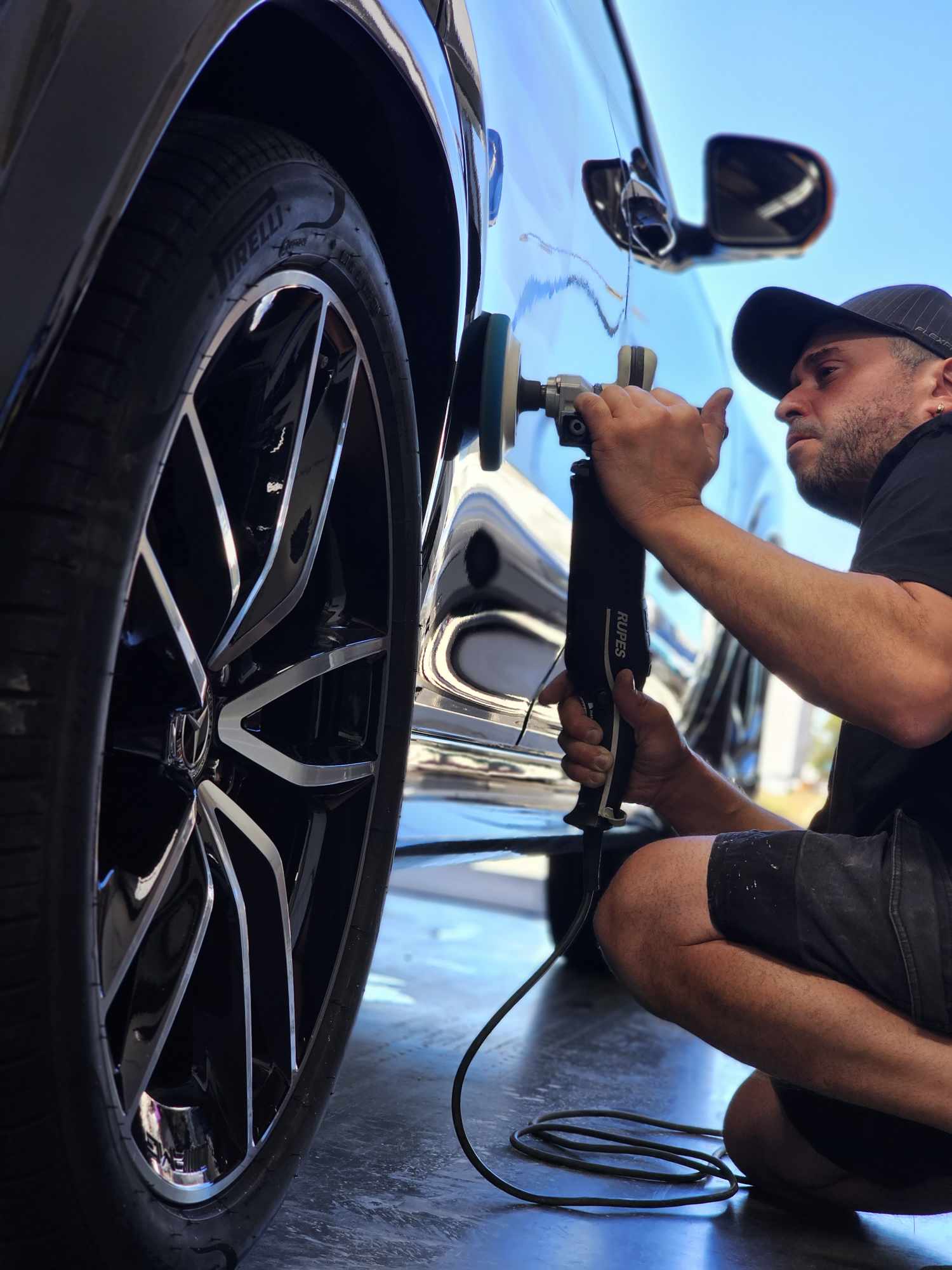
After paint, the vehicle often needs reassembly: trims refitted, badges aligned, clips replaced, liners restored, lights reinstalled, and gaps checked. Then the finish is inspected and, if needed, corrected with denibbing and polishing after the coating has cured enough to be safely refined.
Some technical data sheets also reference drying cycles and polishing characteristics, reinforcing that finishing quality is part of the system, not an afterthought.
Some technical data sheets also reference drying cycles and polishing characteristics, reinforcing that finishing quality is part of the system, not an afterthought.
Parts delays and approvals can turn a paint booking into a waiting game
Even cosmetic paintwork can require replacement trims, mouldings, clips, bumper brackets, sensor mounts, or lights. If a part is not available quickly, the job can stall.
If the repair involves third-party approvals (for example, insurer authorisation), that can introduce waiting time that has nothing to do with the painter’s speed.
If the repair involves third-party approvals (for example, insurer authorisation), that can introduce waiting time that has nothing to do with the painter’s speed.
What you can do to keep timelines from blowing out?
These actions genuinely help, without needing insider knowledge:
What a “quick” job actually means in practice
A genuinely quick paint job is usually one where:
If those conditions are not met, the job may still be worth doing promptly, but “quick” becomes a goal, not a promise.
FAQ
Yes. Most time is spent on surface prep, masking, sequencing coats, and allowing flash and cure cycles. Industry procedures start with cleaning and preparation well before paint application.
Coatings have specified flash and cure requirements, and manufacturers note that conditions like temperature and humidity affect flash and curing behaviour. Rushing can increase the risk of defects or uneven finishes.
Blending expands the area that must be prepared, masked, sprayed, and cleared so the eye perceives one continuous colour. That is a standard technique discussed in refinish training materials.
The booth is a limited resource. Each job needs time for application, flash, and cure cycles, and booths require controlled conditions for curing.
Why do whites and pearls seem to take longer?