

A repairable write-off is a car an insurer has decided is not worth repairing. It is not a car that cannot be repaired safely. In Victoria it can go back on the road once it has been repaired to the manufacturer’s standards and has passed a vehicle identity inspection.
The assessment has come back, and somebody has used the words written off. It is easy to hear that as scrap. It is just as easy to assume the decision is out of your hands. Neither is usually true.
If the crash was only days ago, there is a separate walk-through of what to do at the scene and straight afterwards.
What is a repairable write-off?
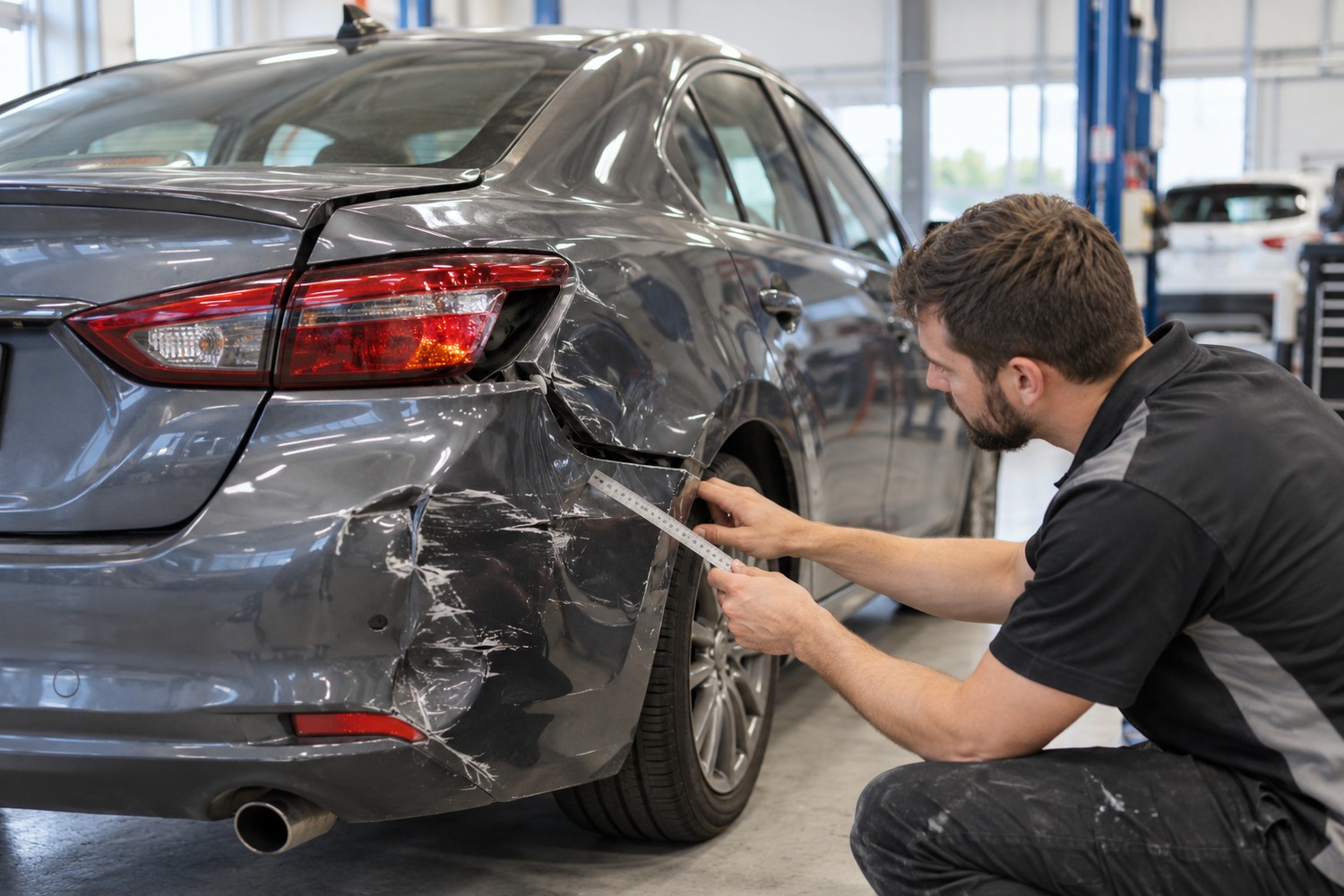
An insurer’s assessment comes back as one of two things, and only one is the end of the car. A repairable write-off can be registered again in Victoria. A statutory write-off cannot be registered again anywhere in Australia.
Transport Victoria defines a repairable write-off as a car that can be repaired, but where the repairs would probably cost more than it is worth. The car is sound enough to fix. Its registration is cancelled when it goes on the register.
A statutory write-off is damaged badly enough that it should not be repaired at all. Structural, fire, water and stripping damage are the four categories that put a light vehicle there.
Structural damage is not judged by eye. It is counted against a published standard, the Damage Assessment Criteria for the Classification of Statutory Write-Offs, issued by the National Motor Vehicle Theft Reduction Council. Three indicators from that list and the car is a statutory write-off.
| Question | Repairable write-off | Statutory write-off |
|---|---|---|
| Why it happened | Repairs cost more than the car is worth | Damage too severe to repair |
| Back on the road | Yes, once repaired and inspected | No, not anywhere in Australia |
| What that takes | Manufacturer-standard repairs, an identity certificate and a roadworthy | Nothing will register it again |
| What else it is good for | Selling on as a write-off | Parts or recycling |
Why would an insurer write off a car that can be repaired?
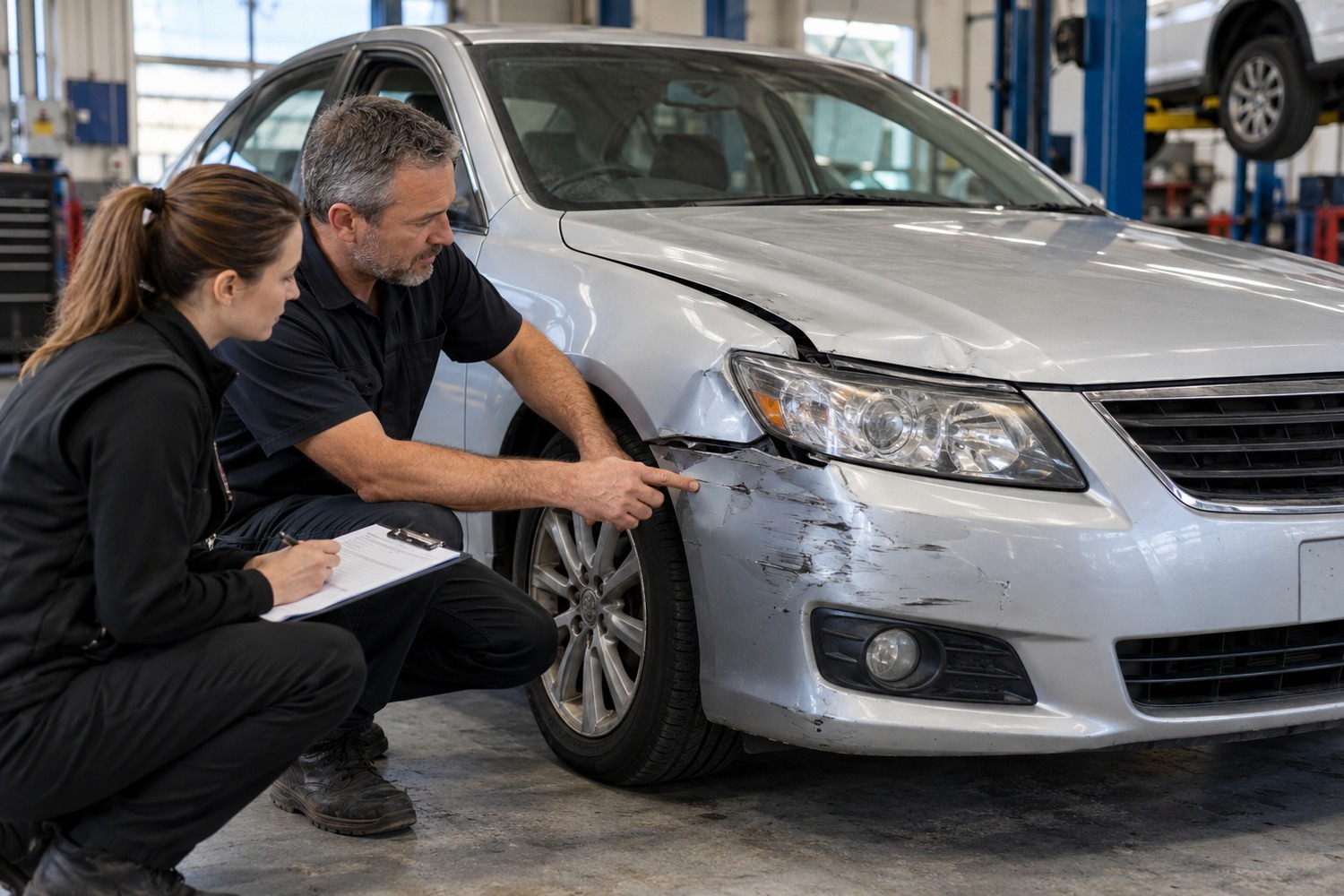
Because it is a sum, not a verdict. The insurer adds the repair cost to what the wreck is worth as salvage, then measures that total against what the car was worth before the crash. If it comes out higher, the car is written off.
Nothing in that sum says the car is dangerous. Transport Victoria puts it plainly. A car goes on the register if the insurer thinks repairs cost more than it is worth, and there need be no structural damage.
What you are paid comes from your policy, not from the register. It is either an agreed value, a fixed figure you and the insurer settled on, or market value, which is what the car would have sold for at the time of the crash. Your excess comes off either one, and the product disclosure statement says which you are on. Your insurer sets market value using industry information, not the amount you believe the car would have fetched.
Melbourne’s west runs on older cars with high kilometres, doing long daily commutes. On one of those, a repair bill overtakes the car’s value far sooner than the owner expects. A knock that is routine on a three-year-old car can put a fifteen-year-old one over the line.
Fault does not enter the sum. A car is written off on the same arithmetic whoever caused the crash. What changes when you were not at fault is a separate subject.
Does a write-off stay on the car’s record forever?
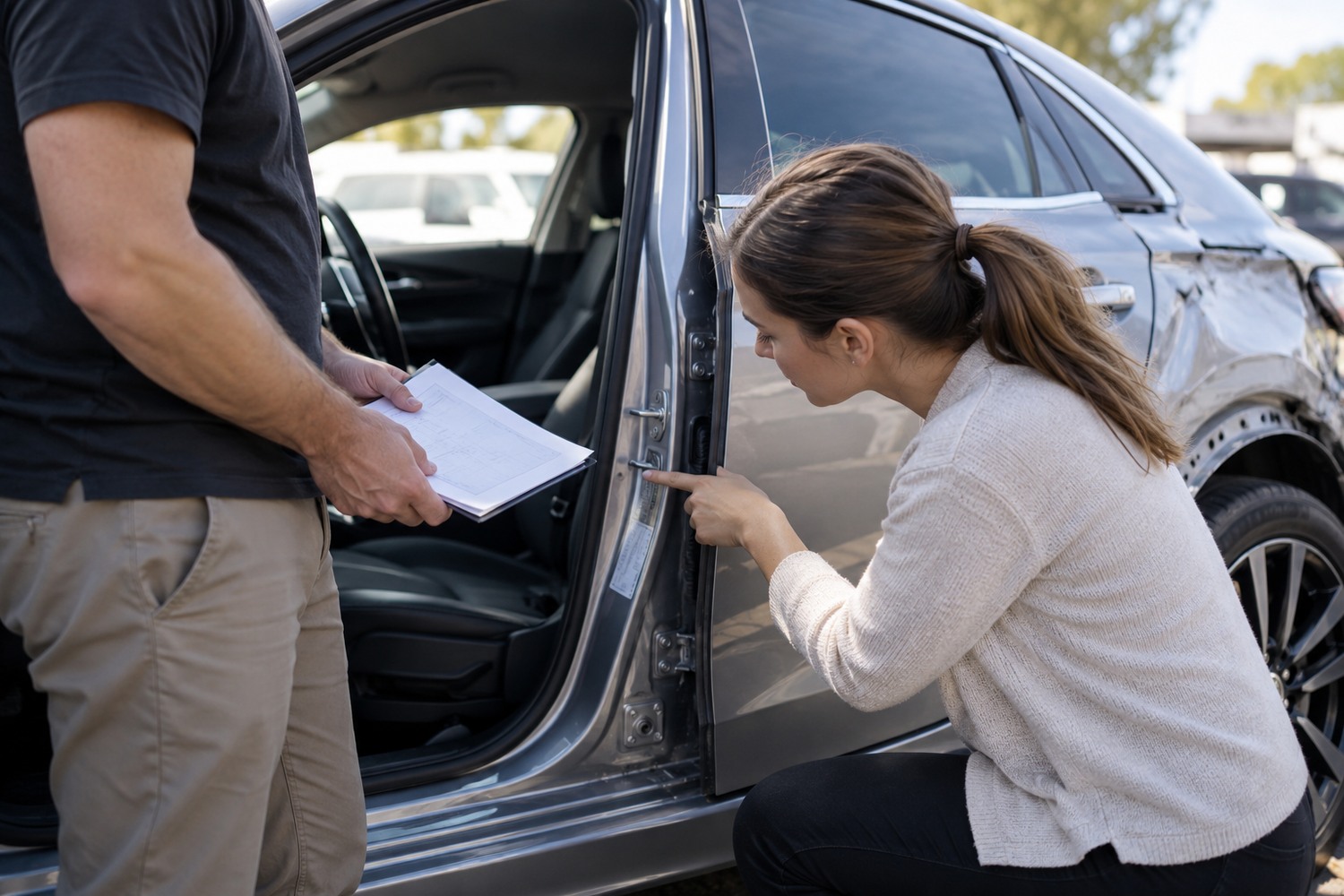
Yes. The car goes on the written-off vehicles register and stays there. The record belongs to the car, not to you, and it does not expire. Transport Victoria is direct about it. Once the insurer has determined a car is a write-off, it cannot come off the register, even if the claim is withdrawn.
Repairing the car does not clear the entry. Once a repairable write-off has been repaired, inspected and registered again, the register changes the entry to an inspected write-off. The status moves. The record stays.
If you sell the car later, you have to tell the buyer. Regulation 104 of the Road Safety (Vehicles) Regulations 2021 requires a person selling a written-off vehicle to tell the buyer in writing whether it is on the register here or interstate. That is a duty on anyone who sells, not only on dealers, and a penalty sits behind it. Buyers often find out anyway, because the Personal Property Securities Register check people run before paying shows whether a car has been written off.
That is the honest cost of keeping the car. The record is permanent, buyers can see it, and it cuts what the car will fetch.
Can you buy back your own written-off car?
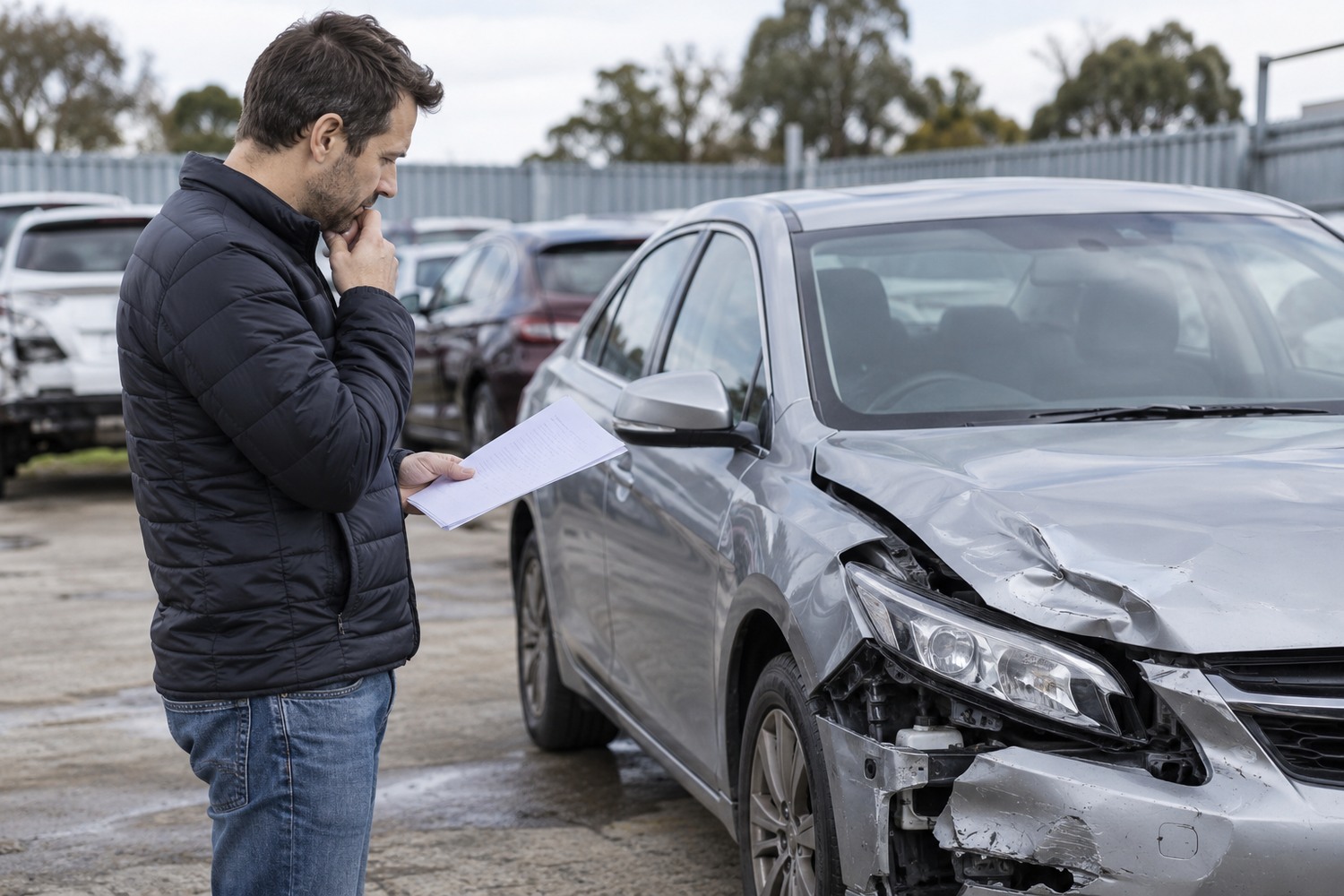
Often, yes. The insurer settles the claim and takes ownership of the wreck. You then offer to buy the salvage back, and the price comes off your settlement. You finish with less money and the car.
Whether you can do it is a policy question, so ask before you plan around it. Most policies let the insurer keep the wreck and sell it. Not every policy does.
Be clear about what you would own: an unregistered car with a permanent register entry. It stays unregistered until it has been repaired properly and inspected.
Buying back makes sense on a narrow set of cars. The damage is cosmetic, or confined to one corner. The repair can be done for well under the gap between the settlement and the buy-back price. And you mean to keep the car. On one you were going to sell soon, the record is waiting at exactly the wrong moment.
What does it take to get a repairable write-off back on the road?
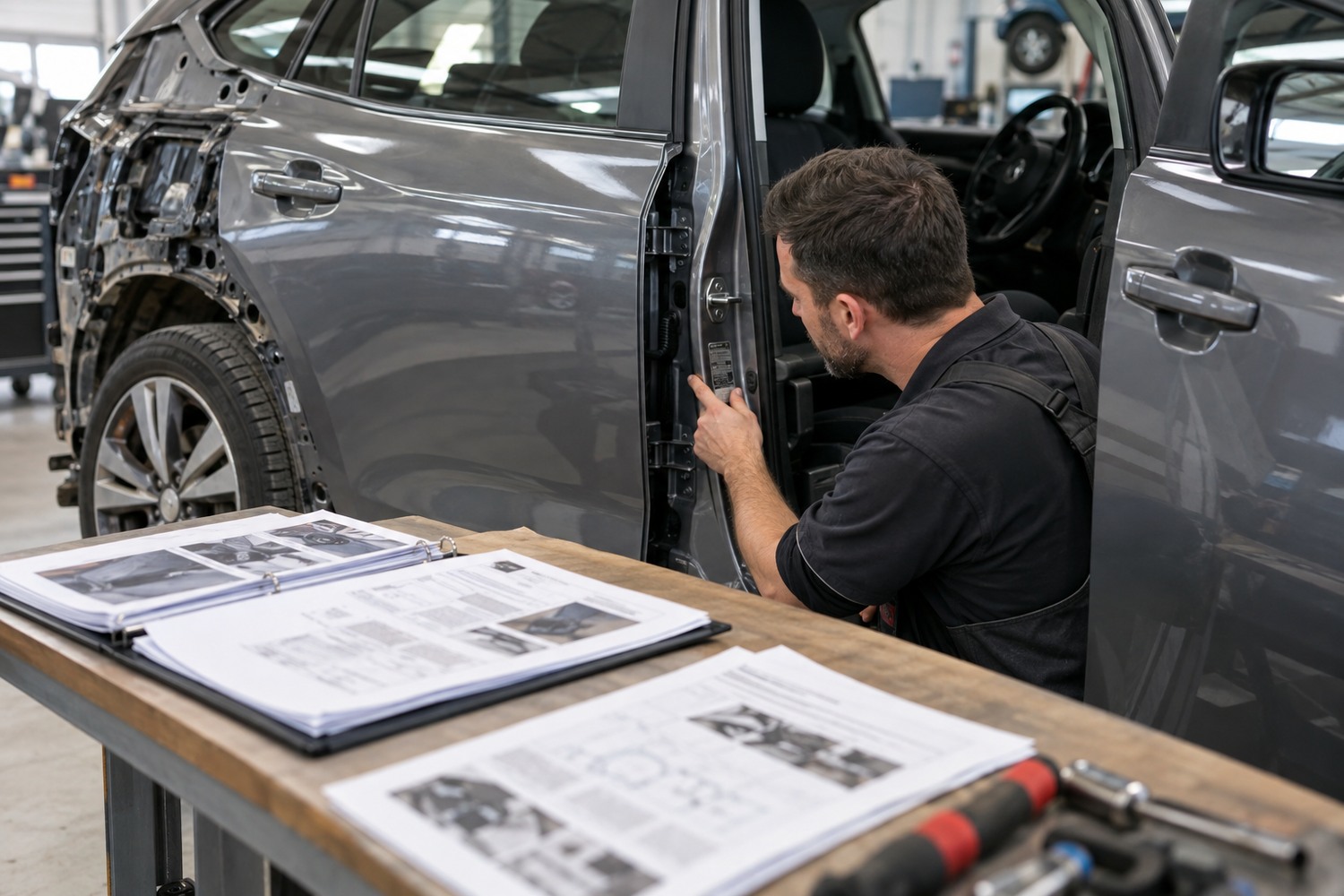
Three things, and none of them is quick. The car must be repaired in line with the manufacturer’s own repair instructions. It then needs a Victorian vehicle identity validation certificate, usually shortened to VIV, and a certificate of roadworthiness. Only then can it be registered.
Can you drive it in the meantime? No. Registration was cancelled when the car went on the register, so it stays off the road until it is registered again.
Get those instructions before any work starts. The manufacturer or an authorised dealer supplies them, and may charge for them. A parts list is not a set of repair instructions.
The VIV inspection is about identity as much as workmanship. The inspector checks the repair was done correctly, and confirms the car is the car it claims to be, along with the parts used to fix it.
The paperwork carries as much weight as the panel work. You need a repair diary with photographs taken before and during the work, the manufacturer’s instructions, and a tax invoice for every part and repair. Second-hand parts need the identification number of the car they came from. A statutory declaration will not replace a missing receipt. You book the inspection five business days ahead, and the published fee is $625.70.
One exemption is worth checking against your own car. You do not need a VIV certificate if the vehicle is a repairable write-off, is more than fifteen years old, and has never failed a VIV inspection.
When is taking the settlement the better call?

More often than the internet suggests, and there is no shame in it.
There is one case worth pushing back on. If you accept the car is not economic to repair but disagree with the valuation, the argument is about a number, not a decision. An independent repair estimate from a workshop that has seen the car is what changes that conversation. A dispute about the figure goes through your insurer’s complaints process.
- The two numbers get close to a replacement. Add the buy-back price to a real repair quote. If that lands near what a comparable car costs, you are paying full price for a marked car.
- The damage is structural. This is the clearest reason to take the money and walk.
- You were going to sell within a couple of years. The record will cost you more at that sale than the buy-back saves now.
- You do not want to project-manage it. Repairs, a diary, receipts, an inspection and a re-registration add up to months of chasing.
If the gap is narrower, and it is your repairer’s quote sitting above the insurer’s figure, what happens when the two quotes do not match is covered separately.
Before you answer the insurer
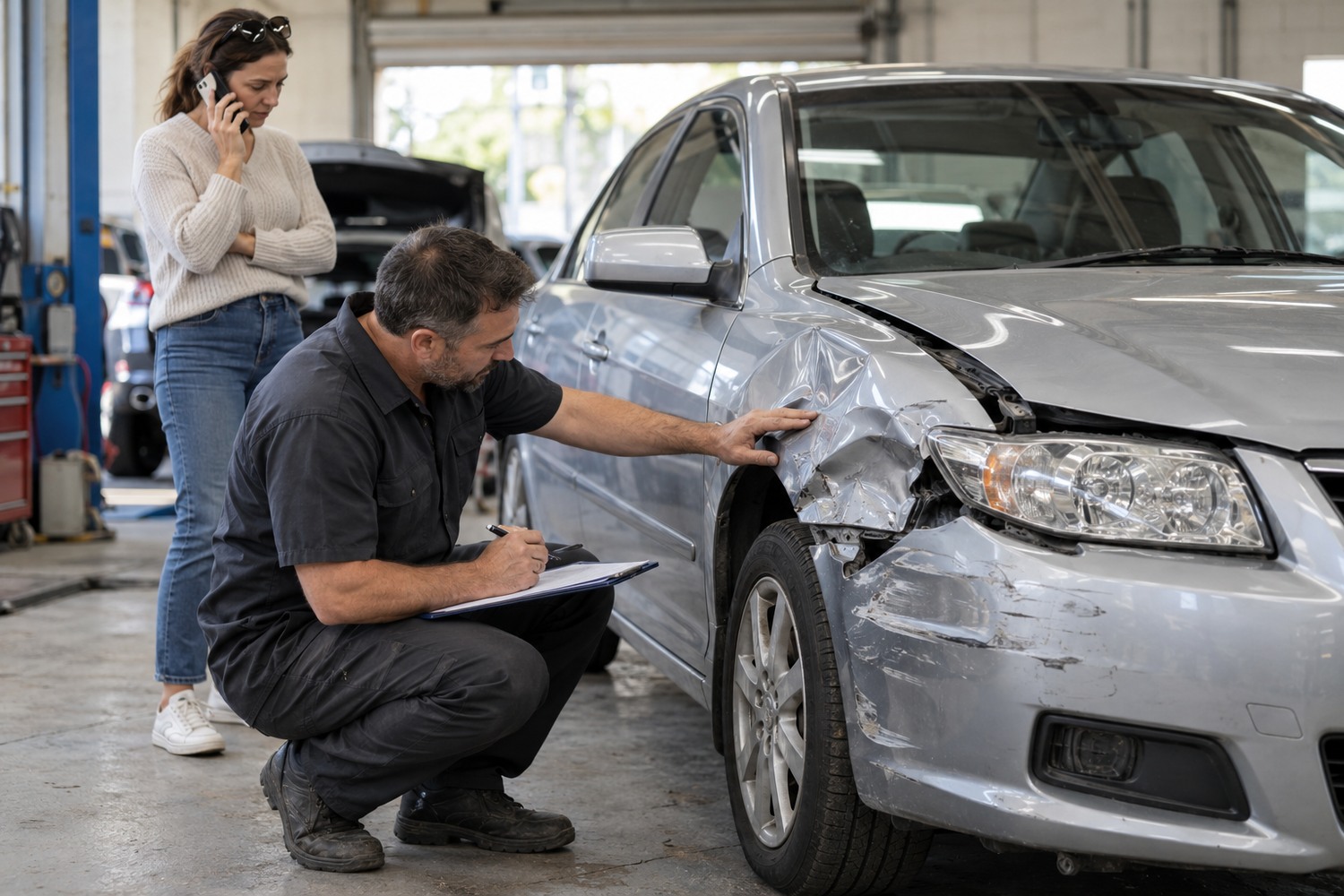
Go back to the phone call that started this. You know which of the two answers you were given, and only one closes the file on the car.
Get one figure before you reply. An independent estimate turns a valuation argument into a comparison.
“Has the car been assessed as a repairable write-off or a statutory one, and what would the buy-back figure be?”
Street Elite Bodyworks is a panel beater in Truganina, and the contact page carries the workshop’s hours and phone number.